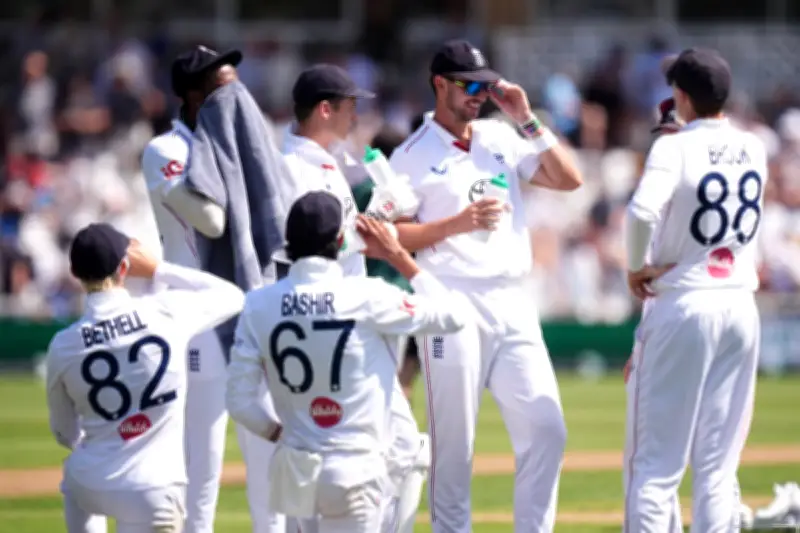
The climate crisis is reshaping British sport as extreme heat becomes the new normal, with players and spectators alike forced to adapt to sweltering conditions during the third Test at Trent Bridge, the Women's T20 World Cup in Bristol, and Wimbledon qualifiers at Roehampton. The heatwave, which saw the UK record its hottest June day, has prompted special measures including cool rooms, extra water stations, and sprinklers for children, as sports organisations grapple with the realities of a warming planet.
Heatwave Hits Trent Bridge and Beyond
On day one of the third Test at Trent Bridge, England cricketers and fans endured temperatures soaring above 30°C, with players blinking sweat from their eyes while wearing heavy helmets and padding. The Women's T20 World Cup double-header in Bristol saw temperatures of 31°C, with about 2,000 children absent after some councils closed schools due to the heat. For the 3,500 spectators who attended, special measures included sprinklers for children and a dedicated cool room in the pavilion, which was in constant use. St John Ambulance reported five visits during the day, according to officials.
At Roehampton, Wimbledon qualifiers faced disruptions when power to the electronic line calling system went out, suspending play on all courts for over an hour during Dan Evans's final appearance. The All England Club has implemented changes after last year's tournament, when amber weather warnings were in place and Carlos Alcaraz paused his first match to deliver water to a spectator who collapsed from heat. Additional water stations and a new "guest village" providing shade and shelter have been introduced at this year's qualifiers.
Fans Adapt to Extreme Conditions
Sports fans are proving resilient, with many adopting strategies to cope with the heat. At Eastbourne tennis, players sat coolly under umbrellas, sipping electrolytes, while spectators queued for ice cream and draped towels under peaked caps, resembling units from the French Foreign Legion. Jack Draper, after his first-round victory, noted that the conditions were manageable compared with the humidity on the North American circuit in late summer. "It makes me laugh a little bit when in the UK we talk about weather warnings … when it's just hot, it's usually pretty manageable," Draper said.
Michelle Dite, the All England Club's operations director, emphasised the importance of personal responsibility. "We're providing an environment where people are very safe. We just ask them to take personal responsibility," Dite said. She added that dealing with extreme heat is now "business as usual" for the club.
Normalising Extreme Heat in Sport
The heatwave has raised questions about whether British sport is normalising extreme heat. The UK recorded its hottest June day and France its hottest day ever as the heatwave swept Europe. The Austrian Grand Prix was declared an F1 heat hazard race amid the European heatwave. In Britain, the red alerts did not deter spectators, with TV cameras capturing long queues for ice cream and fans using fans to cool down. The County Ground in Bristol saw preventive measures pay off, with only five St John Ambulance visits throughout the day.
Sports fans are famously hardy, usually braving the cold, but now the heat is becoming a new badge of honour. Instead of rain stopping play, heat now causes disruptions, as seen at Roehampton. The future may see siestas and longer licensing hours, as life feels more European with pints becoming aperitivos and late-night kick-offs making sense.
Preparing for a Warmer Future
The heatwave is expected to be over by the time Wimbledon proper starts next week, with predicted temperatures of 27°C—once described as a scorcher but now relatively tame. However, as Dite noted, dealing with extreme heat is now routine. The climate crisis is confronting sports fans, who are a blend of optimists and fatalists, consistently predicting unrealistic happy outcomes while knowing the worst is inevitable. This attitude sums up humanity's response to the climate crisis, as sport becomes a microcosm of the challenges ahead.