Endangered Sawfish at Risk from WA Water Extraction Plan
Endangered Sawfish at Risk from WA Water Plan

Conservationists have expressed alarm over a Western Australian government proposal to significantly increase groundwater extraction from the Martuwarra Fitzroy River catchment, warning that it could jeopardize the survival of critically endangered sawfish populations.

The Last Stronghold for Sawfish

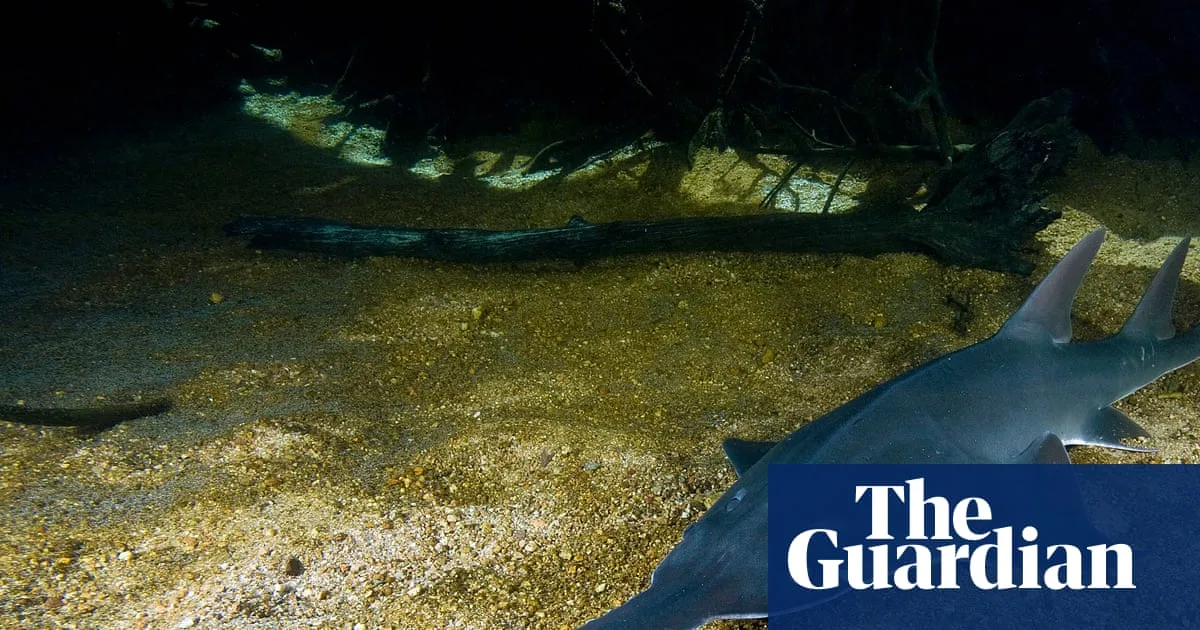
The Martuwarra Fitzroy River, which flows 700 kilometres through the Kimberley region to King Sound, is considered the last global stronghold for sawfish. It is home to four of the world's five sawfish species — the largetooth, dwarf, green and narrow sawfish — all of which are protected under national environmental legislation.

Dr Leonardo Guida, a shark and ray expert from the Australian Marine Conservation Society, described sawfish as "probably one of the most unique looking animals on the planet." These ray-like creatures are distinguished by their chainsaw-like snouts. The river, its estuary and adjacent marine environments provide critical habitat for these species.

Wide Pickt banner — collaborative shopping lists app for Telegram, phone mockup with grocery list

Threats from Increased Water Extraction

The state government's draft water plan proposes raising the groundwater allocation from approximately 32 gigalitres to 75.7 gigalitres. Environmentalists and Indigenous communities have voiced strong opposition, arguing that this increase could cause irreparable damage to the river's groundwater-dependent ecosystems.

Groundwater aquifers feed several large pools and wetlands that serve as crucial refuges for sawfish and other species during the prolonged dry season. Martin Pritchard, from Environs Kimberley, emphasized the importance of these underground water stores: "The underground water stores that feed these refuge pools are absolutely critical in a landscape that's so hot and dry."

"Sawfish won't survive without these pools, which also provide life support for barramundi, a whole range of other fish, freshwater prawns and big trees and vegetation that sustain birds, possums, bats and insects," he added.

Indigenous Concerns and Scientific Uncertainty

Dr Anne Poelina, executive chair of the Martuwarra Fitzroy River Council, which represents traditional owners, stated that the river is already under stress. "Water is precious, it's a life force, and if living water systems continue to decline it will continue to affect people's lives and livelihoods as well as the environment," she said.

Poelina highlighted significant gaps in scientific understanding, including the connectivity of the groundwater system, the total available groundwater, and the potential impacts of sea level rise. She called for a longer timeframe to gather essential data before finalizing the plan or issuing additional licences.

"These are human issues as well as environmental issues," Poelina said. "We need to proceed with caution and not take risks with the lives of all Kimberley people and our environment."

Hydrogeological Complexity and Agricultural Demands

Dr Ryan Vogwill, a hydrogeologist, explained that groundwater plays an "incredibly important" role in sustaining the river's biodiversity during dry periods. He noted the complexity of interactions between surface water and different layers of groundwater aquifers, stressing the need for more monitoring to assess risks from increased pastoral use or potential unconventional gas developments.

The draft plan states that applicants for licences must demonstrate "sustainable groundwater use" and "protect water-dependent ecosystems and sites of ecological, cultural and social significance." However, Guardian Australia's request for details on how the allocation was determined and whether additional monitoring would be funded went unanswered by the Department of Water and Environmental Regulation (DWER).

Historical Context and Future Implications

Farmers have sought greater access to the river's water for agriculture and livestock since the 1950s. More recently, proposals for unconventional gas development, including fracking, have raised additional concerns about groundwater resources. The Fitzroy River holds national and Aboriginal heritage status due to its outstanding cultural and natural values.

Pickt after-article banner — collaborative shopping lists app with family illustration

Poelina warned that a similar water allocation plan in the Pilbara had failed, leading to declining groundwater aquifers. She stressed that the current proposal could impact everyone living within the river system. Conservationists urge a precautionary approach to protect the river's unique sawfish populations and the broader ecosystem.




