
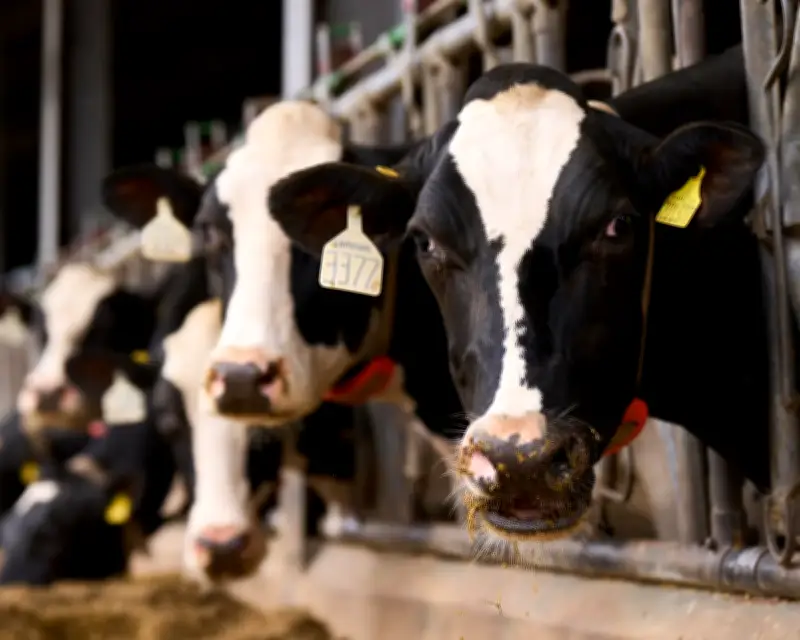
Lea Manor Farm, part of the Duke of Westminster's Grosvenor estate near Chester, is facing the dual pressures of climate change and market volatility. Despite producing over 34 million litres of milk annually and supplying Müller and Tesco, the farm has seen milk prices drop by up to 50% this year due to oversupply.
Challenges and Adaptations
Mark Roach, managing director of Grosvenor Farms, highlighted the severity: "I can't imagine any other industries suffering a 50% reduction." The farm has adapted by investing in technology and circular farming practices, including a biomethane plant set to generate renewable gas from manure by 2027.
The farm's 2,600 Holstein Friesian cows produce 13,200 litres per cow annually. Heatwaves have reduced yields, with cows producing up to six litres less per day during June's 36C temperatures, mitigated by sprinklers and airy barns.
Financial Resilience
Despite challenges, the farming division remained profitable, with a pre-tax profit of £2.6m in 2024, down from £3.6m the previous year. The duke received £53.7m in dividends in 2025, reflecting the broader estate's success.
Mark Preston, an executive trustee, noted: "Extreme weather in many parts of the northern hemisphere is affecting crop yields and farm economics." The UK's reliance on imports has increased as drought affects half of England and Wales.
Innovative Farming Techniques
The farm uses automated milking carousels, sensors to monitor cow health, and has reduced antibiotic use. Grosvenor emphasizes its cows are healthy, citing low disease incidence and minimal antibiotic use.
Circular farming is central, with over 80% of forage grown without artificial fertilisers. The group hasn't bought mined phosphate or potash for 15 years, reducing reliance on global supply chains disrupted by the Iran war.
Preston warned: "The concerns we raised earlier this year remain very real. Ongoing disruption to fertiliser supply chains continues to affect both availability and cost."




