Historic Drought Imperils Myrrh Trees and Ethiopian Livelihoods
The critical note in some of the world's most prestigious perfumes, myrrh, is under severe threat from a historic drought in Ethiopia. This aromatic tree resin, harvested from the Horn of Africa, faces mounting pressure as climate change disrupts traditional ecosystems and livelihoods.
Climate Crisis Impacts Ancient Harvesting Practices
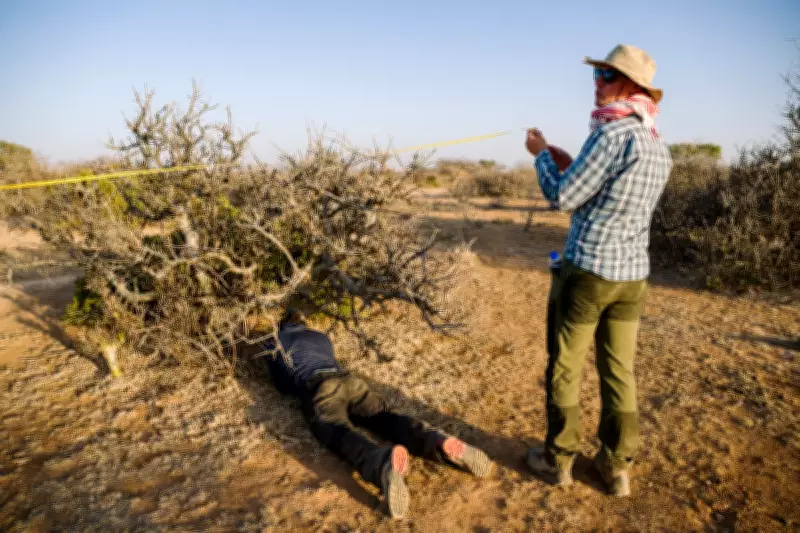
Myrrh trees in Ethiopia's Somali region, once forming dense forests, are now endangered by prolonged water shortages and increased grazing by starving livestock. Researchers from the American Herbal Products Association recently visited these vulnerable areas to assess the situation and explore ways to ensure harvesters receive fairer profits.
Ethiopia remains a primary global source of myrrh, a substance used in beauty, health, and religious practices since ancient Egyptian times. The traditional harvesting method, which involves collecting resin from natural tree wounds rather than making intentional cuts, helps protect tree health and maintains resin quality.

Economic Disparities in the Myrrh Supply Chain
Despite myrrh's hand-harvested nature commanding premium prices in global markets, local harvesters see minimal financial benefit. Collecting one kilogram of resin earns workers between $3.50 and $10, a stark contrast to the luxury perfumes it helps create.
These perfumes, marketed by renowned fashion houses including Tom Ford, Comme des Garcons, and Jo Malone, often retail for up to $500 per bottle. Meanwhile, most myrrh from eastern Ethiopia is purchased by traders from neighboring Somalia, with Ethiopia collecting no taxes on these goods.
Research Highlights Traditional Wisdom and Modern Challenges
The research team, led by University of Vermont sustainable supply chain expert Anjanette DeCarlo and FairSource Botanicals owner Stephen Johnson, found that traditional harvesting practices maintain ecological balance. "Traditional practice is in balance and protects trees. It should be celebrated," DeCarlo emphasized.
However, the drought presents unprecedented challenges. Annual rains have failed consistently in recent years, with devastating flooding in 2023 further complicating recovery. While adult myrrh trees remain generally healthy, they produce less resin, and fewer young trees survive the harsh conditions.
Local Communities Face Existential Threats
Local elder Mohamed Osman Miyir expressed deep concern about declining myrrh tree populations, noting that children uproot seedlings while grazing livestock, and animals frequently consume young tree buds. "We are deeply worried about the declining population of myrrh trees," Miyir stated.
Villagers now spend their days hauling water for themselves and their animals, with herders traveling up to 200 kilometers to access rare water sources like Sanqotor village's well. Local headman Ali Mohamed described the scene: "Guests water animals first, then the villagers," as hundreds of livestock crowd around limited water supplies.
For the poorest residents without livestock, myrrh harvesting represents their sole means of survival. Abdinasir Abdikadir Aweys, senior researcher with the Somali Regional Pastoral and Agro-Pastoral Research Institute, reported that communities hope direct market access will secure better prices and sustainable livelihoods.
Broader Implications for Global Industries
Beyond perfumery, growing global interest in natural remedies is increasing curiosity about myrrh's potential applications. Yet the climate crisis threatens not only local ways of life but also the supply chains of luxury goods industries worldwide.
DeCarlo warned that without proper rainfall, even adult myrrh trees may eventually perish, creating ripple effects across multiple sectors. The situation underscores how environmental changes in vulnerable regions can impact global markets and cultural traditions dating back millennia.