
After a disappointing rainy season in mid-2025, the Tadjourah region of Djibouti faced a crisis as thousands of nomads moved from the arid interior to the coast in search of water. Compounding the problem, overseas aid cuts from the US meant emergency funds were no longer readily available.
Authorities in Tadjourah turned to Djibouti’s Sovereign Carbon Agency (SCA), a national body established in 2023 to manage revenue from the country’s pioneering levy on emissions. The SCA responded by sending water trucks and solar-powered desalination units, preventing large-scale displacement. This is one of around 80 projects supported by the carbon levy, which makes big polluters pay for climate response.
“We will never replace the UN, and we will never replace aid, but we can react quickly to events, we have a lot of local knowledge, and we can really make a difference in crises,” said Bruno Pardigon, a French businessman who helped set up the levy and now directs the SCA. Other funded projects include plastic collection, recycling, mangrove restoration, and a new electric vehicle fleet.
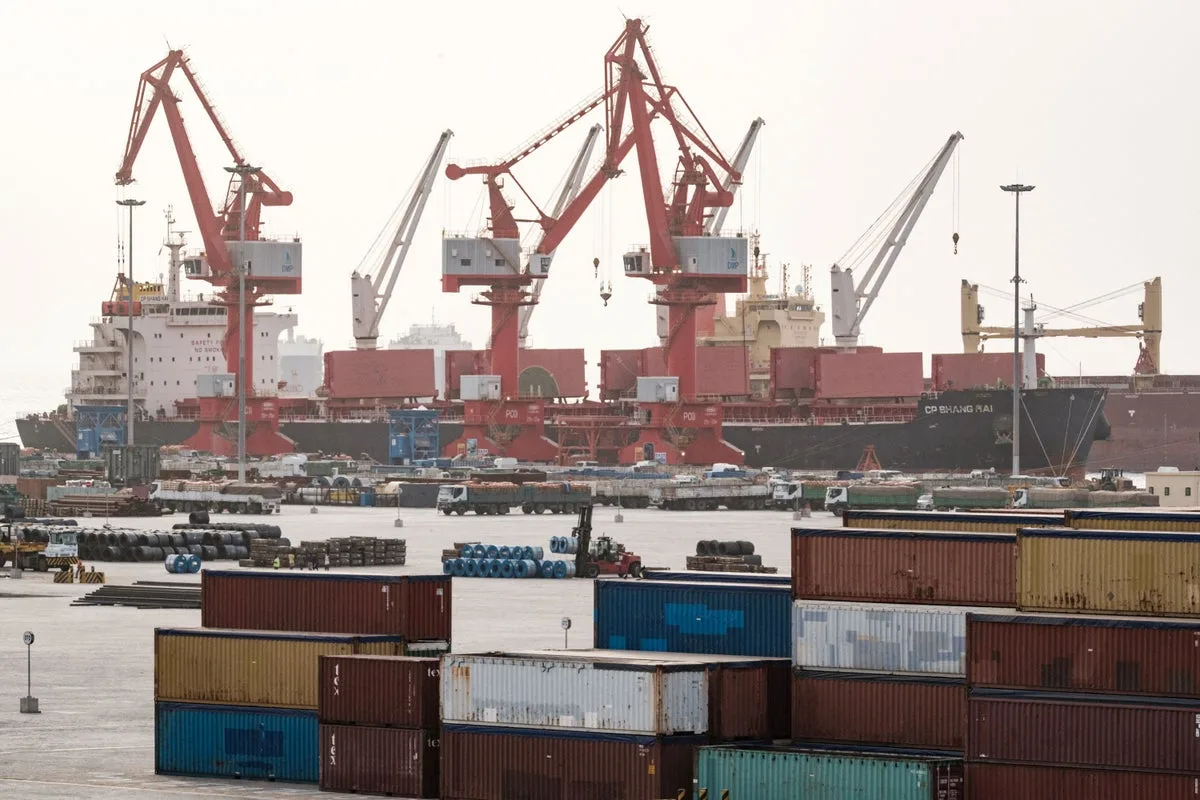
The levy targets Djibouti’s port, one of Africa’s largest, with 2,500 visiting ships annually servicing 95 per cent of neighbouring Ethiopia’s trade. Ships are charged $17 (£12.60) per tonne of carbon dioxide emitted, covering 50 per cent of emissions per voyage. Revenue is independently monitored and audited, and spent on programmes benefiting Djiboutians.
Revenue from two and a half years of operation is “less than ten million dollars”, Pardigon said. For a country of 1.1 million people and a GDP of around $3.7bn, this is significant. “People look at us on the map and they see Yemen or Somalia and assume we are in a Civil War... so this money really can go a long way, and is helping to derisk other projects,” he added.
The levy originated at the Cop27 UN climate conference in 2022, where President Ismail Guelleh was frustrated that African nations were not introducing carbon taxes. “The feeling was: Why should it be that Africa produces just four per cent of global emissions, yet suffers the most – and also receives just three per cent of global climate finance,” Pardigon explained. The levy was developed independently within Djibouti, focusing on the country’s needs.




