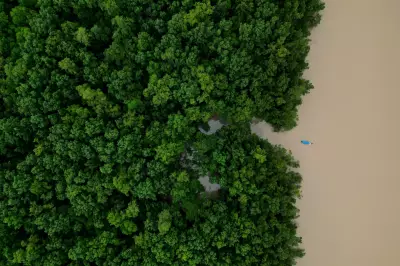
Police have released dramatic aerial footage showcasing extensive flooding in the Douglas and Daintree areas of far north Queensland, following the devastating landfall of Tropical Cyclone Narelle on Friday morning. The cyclone unleashed ferocious winds reaching speeds of up to 250 kilometres per hour, which tore roofs from buildings and felled numerous trees, causing widespread damage across the region.
Climate Experts Warn of Global Heating Impact
Climate experts have issued stark warnings, indicating that global heating played a significant role in super-charging Tropical Cyclone Narelle. They point to abnormally high ocean temperatures as a key factor that helped the storm gain unprecedented intensity as it approached the Queensland coast. This event underscores growing concerns about the escalating frequency and severity of extreme weather phenomena linked to climate change.
Extensive Damage and Ongoing Assessments
The aftermath of the cyclone has left communities grappling with severe disruptions, including power outages, road closures, and significant property damage. Emergency services are actively conducting assessments and providing aid to affected residents, while authorities urge caution as cleanup efforts commence. The aerial footage serves as a sobering visual testament to the cyclone's destructive power and the urgent need for robust disaster preparedness in vulnerable regions.

As recovery operations unfold, meteorologists continue to monitor weather patterns, emphasizing the importance of heeding official warnings and staying informed through reliable sources. This incident highlights the critical intersection of environmental policy and public safety in the face of evolving climatic challenges.