Trump's Climate Policy Reversal Threatens Vulnerable Communities with Heightened Health Risks
The Trump administration's recent decision to revoke a scientific finding that climate change poses a public health danger is set to have severe consequences, with experts warning that poor and minority areas will bear the brunt of the impact. This move overturns a 2009 endangerment finding that had led to stricter pollution regulations, potentially exacerbating existing health disparities in communities already struggling with environmental hazards.
Cancer Alley and Other High-Risk Zones Face Escalating Dangers
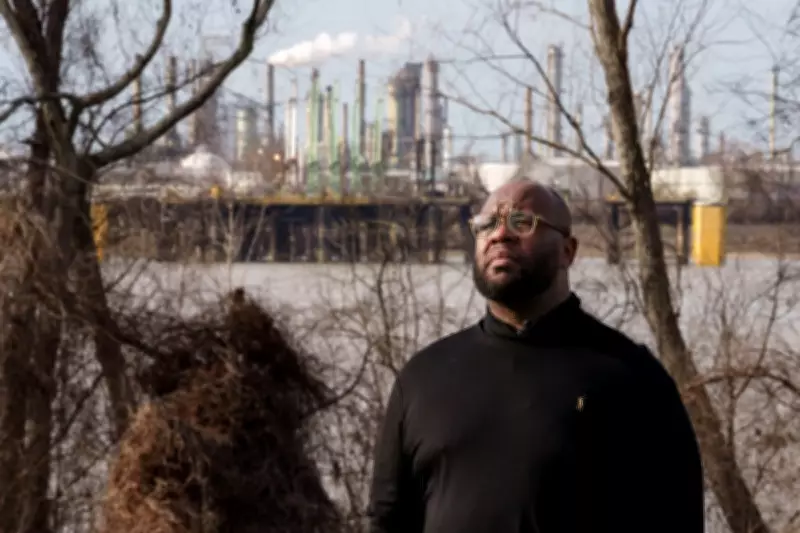
In regions like Louisiana's Cancer Alley, where approximately 170 fossil fuel and petrochemical plants operate, residents are no strangers to premature death and elevated cancer rates. Gary C. Watson Jr., a lifelong resident of St. John the Baptist Parish, a majority Black community near New Orleans, reports that most adults in the area attend two to three funerals monthly due to pollution-related illnesses. His personal experience includes a father who survived cancer and at least five relatives who have died from it, highlighting the dire situation in these overburdened areas.
These communities, often predominantly minority and low-income, suffer from higher levels of air pollution from facilities emitting harmful particles linked to increased mortality. The revocation of the endangerment finding by the Environmental Protection Agency this month is expected to lead to more illness and death, with a coalition of health and environmental groups already filing a lawsuit against the EPA, deeming the action unlawful and detrimental.

Disproportionate Impacts on Racial and Ethnic Groups
Growing evidence indicates that Black, Latino, and other racial and ethnic groups are more vulnerable to pollution and climate-related events such as floods, hurricanes, and extreme heat due to limited resources for protection and recovery. A 2021 EPA report, now removed from its website, confirmed these disparities, noting that with a 2-degree Celsius rise in global warming, Black people are 40% more likely to live in areas with the highest projected heat-related deaths, while Latinos face a 43% higher risk of labor hour losses from heat exposure.
Research from the University of California, Los Angeles reveals that Latino communities in California experience 23 more days of extreme heat annually than non-Latino white neighborhoods, along with poorer air quality and double the rate of asthma-related emergency room visits. Latino children are 40% more likely to die from asthma than white children, partly due to inconsistent healthcare access.
Expert Warnings and Community Concerns
Public health experts emphasize that the rollback will significantly increase morbidity and mortality in communities of color. Matthew Tejada of the Natural Resources Defense Council notes that overburdened communities, including those of color, Indigenous, and low-income populations, will suffer the most. Hilda Berganza from the Hispanic Access Foundation adds that Latino communities, often on the front lines of environmental hazards, will feel the impacts acutely due to their living and working conditions.
In Los Angeles, Pastor Armando Carpio observes the vulnerability of his mostly Latino parishioners, many of whom work outdoors in extreme heat or near polluting freeways, leading to health issues like asthma and dementia. He expresses concern over the regression in environmental protections, stating that the effects are deeply felt in daily life.
Long-Term Consequences and Advocacy Efforts
Beverly Wright of the Deep South Center for Environmental Justice warns that the repeal could result in more pollution, higher cancer rates, increased extreme weather, and the disappearance of historic Black communities in areas like Cancer Alley. She stresses that this policy shift puts communities at greater risk, moving in the wrong direction for public health and environmental justice.
As legal challenges mount and advocacy groups rally, the broader implications of this decision underscore the urgent need for equitable climate policies that protect all Americans, particularly those most vulnerable to environmental harms.