
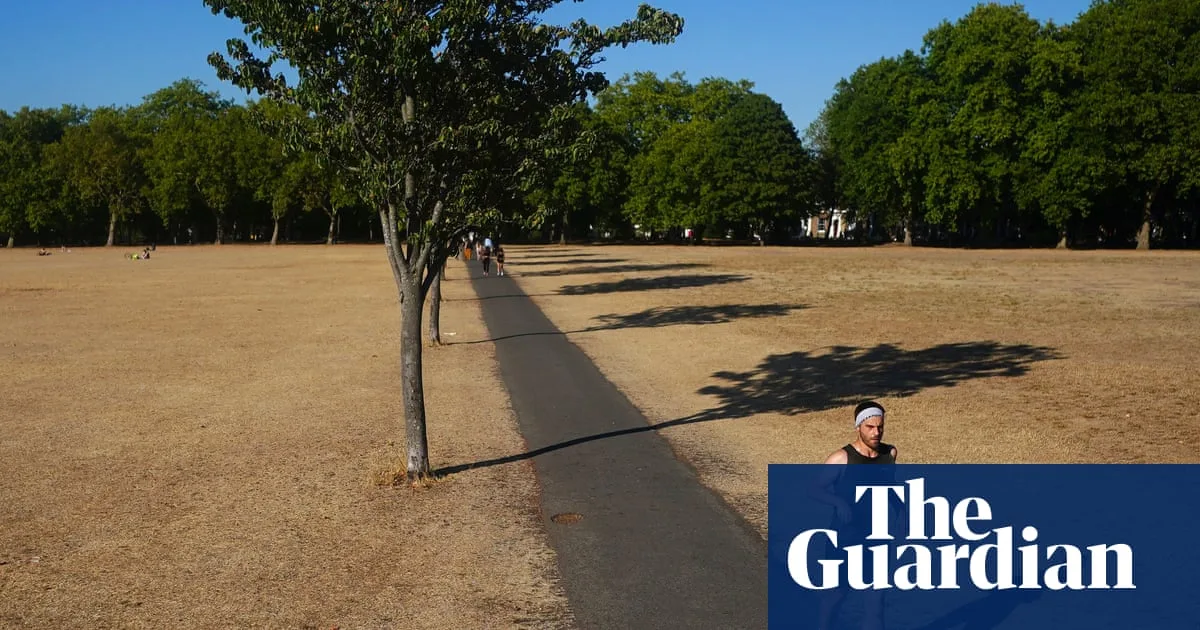
Rising global temperatures are set to significantly reduce physical activity worldwide, potentially contributing to nearly half a million extra premature deaths each year by 2050, according to a new study published in the Lancet Global Health journal. Researchers analysed data from 156 countries between 2000 and 2022 and modelled the impact of rising temperatures on physical activity levels.
The study found that each additional month with an average temperature above 27.8°C would increase physical inactivity by an average of 1.5 percentage points globally, with a higher increase of 1.85 points in low and middle-income countries. Reduced physical activity is already a major health burden, responsible for an estimated 5% of all adult deaths globally, with about a third of the world's population failing to meet World Health Organization exercise guidelines.
Physical inactivity raises the risk of cardiovascular disease, type 2 diabetes, certain cancers, and mental health disorders, all of which shorten life expectancy, said lead author Christian García-Witulski, a research fellow at the Lancet Countdown Latin America. The study projects that by 2050, climate-driven inactivity could lead to between $2.4 billion and $3.68 billion in annual productivity losses globally.
“This is not just a climate story, it is also an inequality story,” García-Witulski emphasised. The greatest increases in inactivity are expected in hotter regions such as Central America, the Caribbean, eastern sub-Saharan Africa, and equatorial south-east Asia, where inactivity could rise by more than four percentage points per month. The model also predicts a bigger increase among women, reflecting both physiological and social factors.
The authors stress that physical activity should be treated as a climate-sensitive public health issue. “Staying active in a warming world depends not only on personal motivation, but also on urban design, infrastructure and access to reliable information,” García-Witulski noted. Recommended adaptations include designing cooler cities with more tree cover and shade, providing affordable air-conditioned exercise spaces, issuing clear safety advice for extreme heat, and pursuing ambitious emissions reductions.




