
Human-caused global heating made the intense heatwave that affected much of Australia in early January five times more likely, according to a new analysis by World Weather Attribution (WWA). The heatwave was the most severe since the 2019-20 black summer, with temperatures exceeding 40°C in Melbourne and Sydney, and extreme heat also affecting regional Victoria, New South Wales, Western Australia, South Australia and Tasmania.
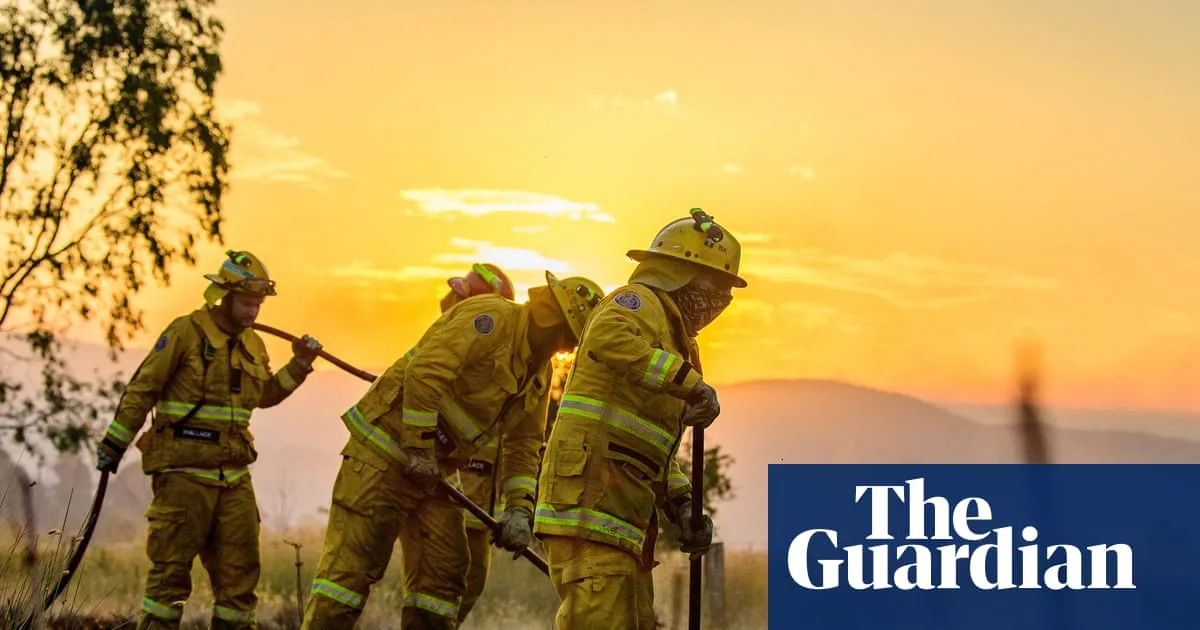
In Victoria, the heat preceded bushfires that burned through 400,000 hectares and destroyed almost 900 buildings. The report suggests that the effect of greenhouse gas emissions outweighed the effects of a weak La Niña, which usually brings milder temperatures across most of mainland Australia. The climate crisis made the extreme heat about 1.6°C hotter, while La Niña likely lowered maximum temperatures by between 0.3 and 0.5°C.
Heatwaves, defined as three consecutive days where maximum temperatures are higher than average, cause more deaths in Australia than all other natural hazards combined. Prof Sarah Perkins-Kirkpatrick, a co-author of the report and climate scientist at the Australian National University, warned: “The mentality here of ‘suck it up, she’ll be right’ does not fly any more. [The heat] is getting worse and whether we like it or not … there’s ultimately a limit to what we can actually physically cope with.”
In the current climate, Australians should expect heatwaves similar to the January event about once every five years. The report’s authors warn that similar heat events could be expected every second year if the world warms 2.6°C above the preindustrial average, which is predicted to be reached by the end of the century based on current carbon emissions.
WWA co-founder Friederike Otto, a professor of climate science at Imperial College London, said: “As extreme heat is one of the deadliest extreme weather events that is changing very fast with global warming … it is important to highlight these rapid changes, even if the results are not surprising at all.” The study has not yet been peer reviewed.




