Climate Change Exposes Human Remains at Historic Minnesota Cemetery
Climate Change Exposes Human Remains at Minnesota Cemetery

Climate Change Exposes Human Remains at Historic Minnesota Cemetery

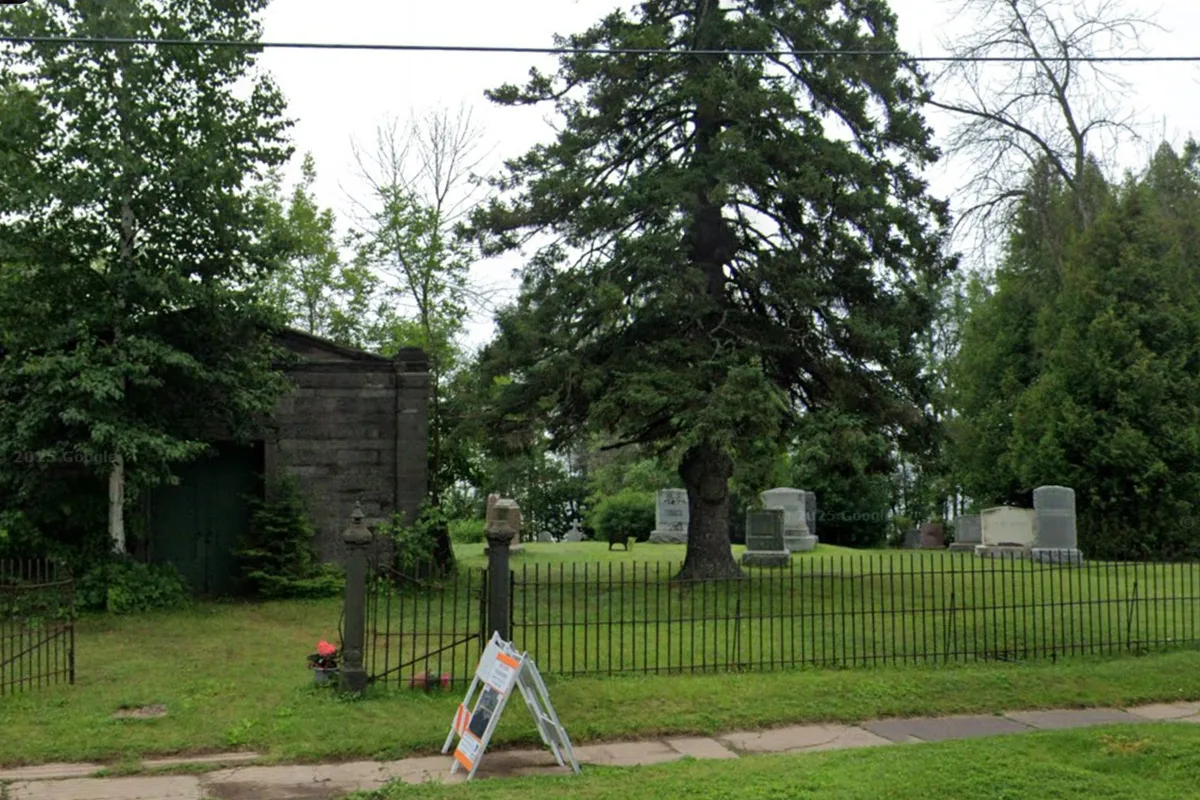
Human remains have been uncovered as severe shoreline erosion continues to impact Scandia Cemetery along Lake Superior in Northern Minnesota. State and county officials are urgently seeking approximately $2.5 million to prevent additional graves from being exposed at the historic site, which is located near the popular Glensheen Mansion tourist attraction.

Immediate Threats and Historical Context

St. Louis County authorities first became aware of the problem in 2024 when graves at the Duluth cemetery began to surface. The situation has since worsened, with future weather events and the ongoing effects of climate change cited as primary concerns that could lead to even greater degradation and erosion of the shoreline. A formal proposal highlights the risks, including the costs associated with housing and identifying exposed human remains.

The cemetery, established in 1881 by members of the local First Norwegian Danish Evangelical Lutheran Church, holds significant historical value. The first burial was that of a 9-year-old boy, and according to a local historical society, many of those interred there were victims of various epidemics in the early 20th century. "That was prime real estate. Bury your loved ones near the lake, it's beautiful," said Rachel Gregg, an engineer with St. Louis County Public Works, in an interview with The Minnesota Star Tribune.

Wide Pickt banner — collaborative shopping lists app for Telegram, phone mockup with grocery list

Gregg noted that bones are now visible in the ground due to the erosion, particularly in hard-to-reach areas. Despite the challenges, a handful of individuals have expressed a desire to be buried there in the future. The cemetery is currently managed by two caretakers, both over 90 years old, who have indicated a wish to relinquish control of the site.

Proposed Solutions and Funding Challenges

Minnesota State Senator Jen McEwen has voiced strong support for the $2,550,000 proposal, which aims to construct a concrete retaining wall and implement nature-based stabilization methods. "We really do need to step up to make sure that we are protecting the public and addressing damage that is a direct result of climate change," McEwen told Northern News Now. She emphasized the urgency of the situation, describing the erosion as a direct consequence of environmental changes.

County Commissioner Patrick Boyle echoed these sentiments, stating, "We want to do what's right for the families and those folks that are buried there." He added, "As we speak, it continues eroding. I don't think we can wait on this project any longer." The county has applied for a grant from the Legislative-Citizen Commission on Minnesota Resources (LCCMR), which is partially funded by the Minnesota State Lottery.

However, McEwen, who sits on the LCCMR board, anticipates some resistance from legislators regarding the appropriateness of using these funds for such a project. "I still think that we are going to face some questions from the legislature about whether these LCCMR funds are appropriate for a use like this," she said. Despite failing to secure funding last year, Boyle remains optimistic, calling the project "shovel-ready" and asserting, "It's at the finish line."

Engineering and Timeline Considerations

An engineering assessment determined that building the retaining wall is a more cost-effective solution than relocating the graves. The proposal outlines a construction start date of July 2027, with completion targeted for December 31, 2028. This timeline aims to address the ongoing erosion before it causes further irreparable damage to the cemetery.

Lake Superior, the world's largest freshwater lake by surface area, covering approximately 31,700 square miles, poses a persistent threat due to its powerful waves and changing water levels. The erosion at Scandia Cemetery serves as a stark reminder of the broader impacts of climate change on vulnerable coastal and shoreline communities.

Pickt after-article banner — collaborative shopping lists app with family illustration




