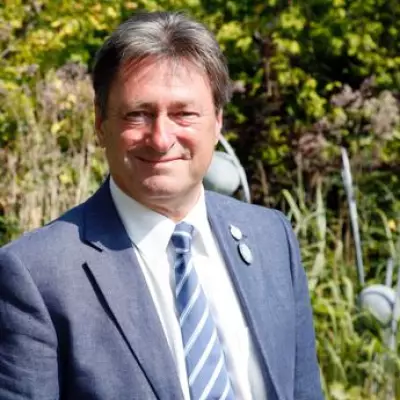
In a significant development, over 120 Christian leaders have publicly challenged Sir Paul Marshall, a hedge fund manager and co-owner of GB News, over what they describe as climate misinformation broadcast on his media channel. This action follows an open letter covered by the Guardian, which accused GB News of promoting inaccurate claims about climate science and decarbonisation efforts.
Call for Transparency on Fossil Fuel Interests
The letter, signed by prominent figures including Rev Dr Darrell Hannah, chair of Operation Noah, demanded greater transparency regarding any financial interests Sir Paul may hold in fossil fuels. It also called for GB News presenters and guests to disclose potential conflicts of interest, arguing that such transparency is crucial for public trust in media reporting on environmental issues.
Sir Paul's Response and Net Zero Debate
In response, Sir Paul Marshall wrote to the Guardian, asserting that the "net zero consensus is crumbling." However, critics have countered this claim, pointing to multiple surveys indicating continued public support for decarbonisation initiatives. They note that while some political parties have shifted away from legally binding net zero targets, this does not reflect a broader rejection by the electorate.

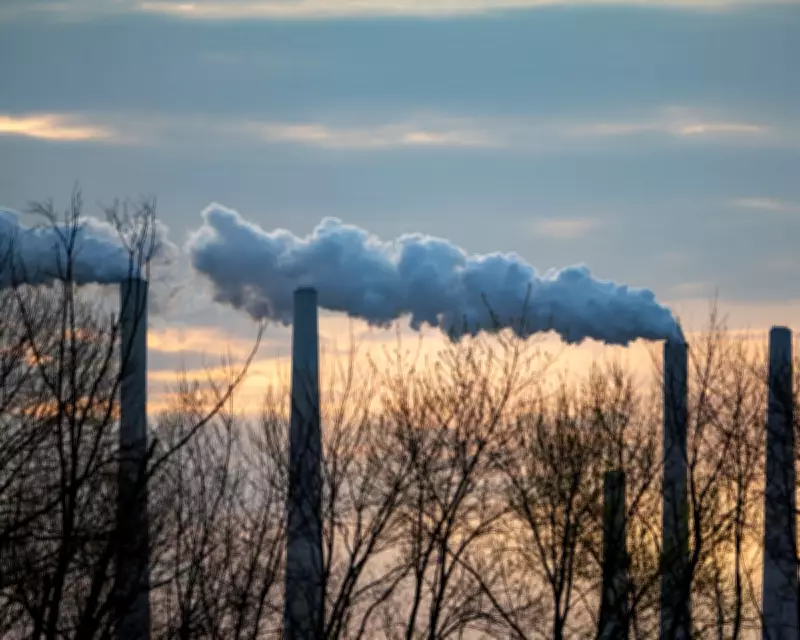
Rev Dr Hannah expressed concern over the motivations behind anti-net-zero rhetoric, questioning why GB News appears dedicated to maintaining an unsustainable reliance on fossil fuels. He highlighted the dangers of climate tipping points and volatile energy prices linked to this dependence.
Scientific and Economic Evidence Ignored
Further criticism came from Judith Russenberger of London, who argued that Sir Paul overlooks scientific and economic evidence against fossil fuels. She emphasised that global warming is accelerating due to human activity, not a natural "gradual warming phase," and that high UK energy costs stem from gas pricing systems, not renewable energy sources like wind and solar.
This controversy underscores ongoing tensions between media ownership, climate policy, and public accountability, as debates over net zero and fossil fuel transparency intensify in the UK.