Five years have passed since ambitious regeneration plans were first unveiled to completely transform Birkenhead town centre. The plans sought to turn this part of the Wirral into a thriving 'Left Bank' of the River Mersey, attracting businesses and professionals to the town.
Mixed Views from Locals
Some skeptical Birkonians scoff at the proposals, citing a history of empty promises and slow developments in the town centre. These residents feel that visible improvements have been lacking despite years of strategic discussion. Vikki Leeuwaugh, 52, told the ECHO: "It's a real ghost town. The shopping centre is drab. There aren't any good shops. Birkenhead needs to change to bring people in."
Conversely, more optimistic locals view the area's massive potential as equivalent to the relationship between Brooklyn and Manhattan. They believe the town can carve out its own distinct, creative counterpoint to the busy city across the river. Nigel Evans, 60, told the ECHO: "We've seen a lot of good changes, especially over the last 20 years. There are a lot of community interest companies moving into empty shops, which keeps the area busy. That investment is starting to bear fruit."
Green Shoots of Change
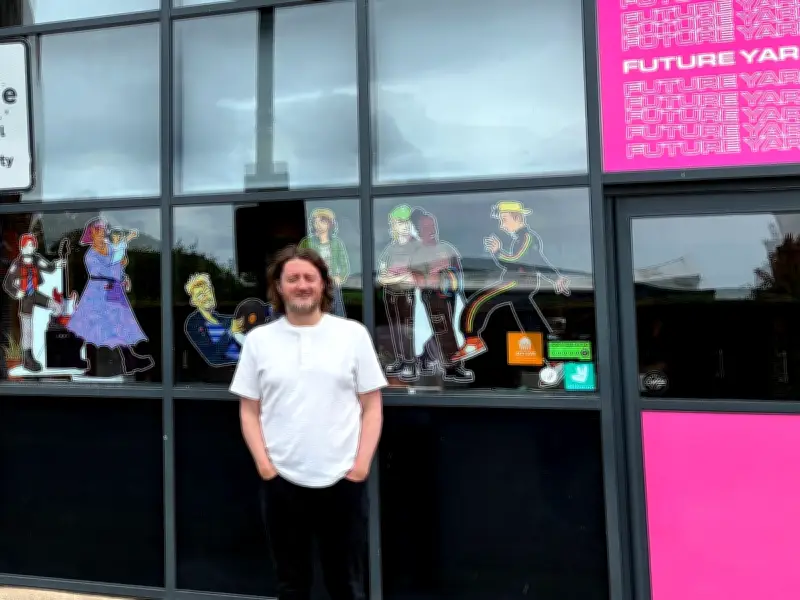
Christopher Torpey, founder of popular Birkenhead venue Future Yard, which has seen 100,000 visitors since opening five years ago, said he could "see the green shoots of change" starting to show in the town. A major pillar of the ongoing transformation is the multibillion-pound Wirral Waters initiative, which targets hundreds of acres of dockland. Progress is visible here with the completion of major residential schemes and the approval of new retail facilities.
Funding Boost and Heritage Focus
The plan has been supported by significant funding boosts, including a recent allocation of £51 million to accelerate housing developments. Local leaders hope this financial injection will kickstart the next critical phase of construction work. A key priority for planners involves blending the town's rich maritime and civic heritage with contemporary architecture. As work moves forward, the pressure intensifies on officials to deliver tangible benefits that directly improve the lives of the local community.