
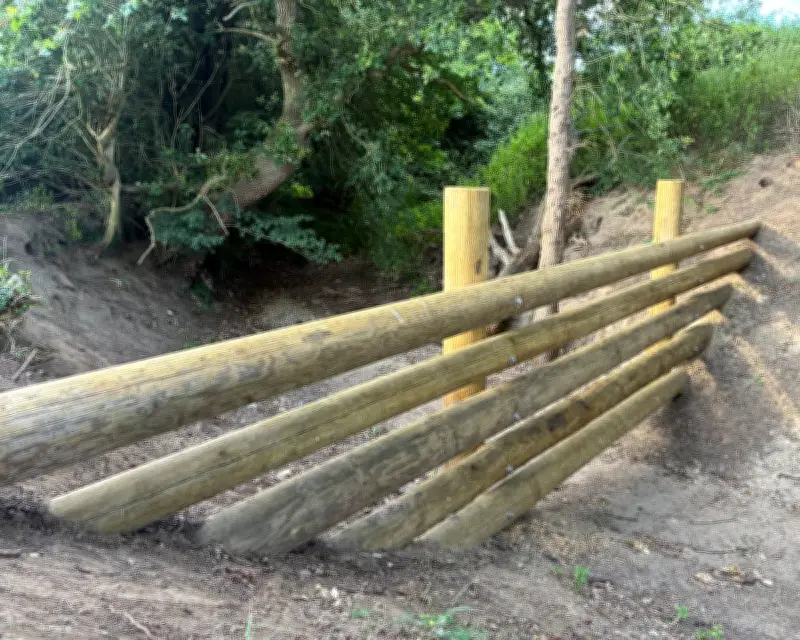
Norfolk installs beaver-inspired leaky dams to combat flooding
In the village of Caistor St Edmund, Norfolk, the ground is as hard as metal underfoot, with a hosepipe ban recently announced in East Anglia, the driest region in the country. Yet, paradoxically, the local council has invested over £35,000 in beaver-style flood defences known as 'leaky dams' to prepare for the next deluge.
How leaky dams work
Four large wooden constructions now line the aptly named Wash Lane, where a deep crevice holds a completely dry watercourse. These 'leaky dams' or logjams are designed to collect debris and naturally slow the flow of water, inspired by the ecosystem engineering of beavers. According to Norfolk County Council, the structures mimic beaver dams, reducing water flow and creating habitats for dragonflies and amphibians.
Extreme weather events in focus
In December 2020, relentless rain turned the village street into a fast, shallow brown river, with sandbags insufficient to protect homes from flooding. The road is often submerged, stopping smaller cars, and volunteers regularly clear drains. That Christmas marked the worst flooding in memory. Now, as the region faces a drought, the same defences stand ready for the next extreme weather event.
Beaver absence and solar farm plans
Norfolk has a handful of released beavers that have bred successfully, but none near Caistor St Edmund. While the timber barriers aim to slow water naturally, surrounding fields are proposed for a large-scale solar development, which could alter rainwater runoff. The author notes that climate change brings extremes, and solutions must work for the whole landscape, leaving more room for nature.
The hay crop this year is in, with low yields but better than last year. Two red kites hunt over the cut meadows, and swallows glide low. The ground rings out under hoof like a metalled road, and a second crop seems unlikely without rain. Catkins fall from sweet chestnut trees like yellow streamers, and over 20 wasps fret over a car bonnet, feeding on tree sap or dead insects.




