Campaigners have made an eleventh-hour plea to the BBC to halt the planned shutdown of Radio 4's Long Wave service, warning that thousands of pensioners could see their energy bills disrupted. The service, which is owned and operated by a third party, is due to close on Saturday.
Impact on Radio Teleswitch Service Meters
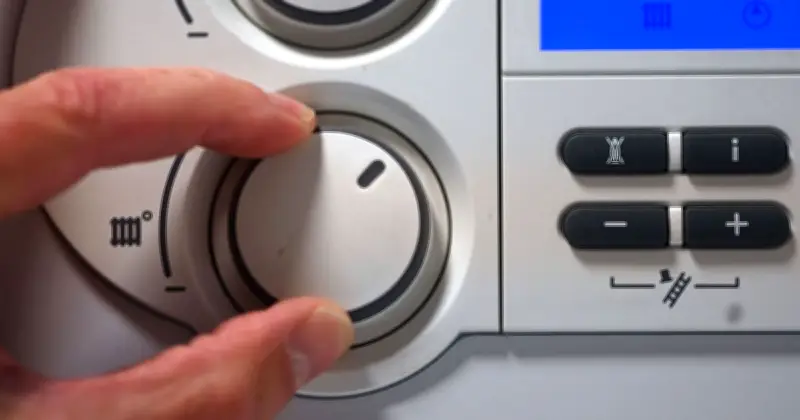
The concerns center on the Radio Teleswitch Service (RTS) meters, which rely on radio signals to switch between peak and off-peak electricity rates. As of March, an estimated 196,000 RTS meters were still active in England, Scotland, and Wales. Without the Long Wave signal, these meters may fail to switch correctly, potentially causing households to be charged higher rates or accumulate unexpected debts.
Dennis Reed, director of the campaign group Silver Voices, said: "Even at this late stage, we implore the BBC not to turn off its valued long wave transmissions, which it is doing because of its digital obsession rather than for funding reasons. Thousands of poor and older households are going to have their energy budgeting thrown into chaos, and may chalk up big power debts without realising it."
BBC's Position and Government Involvement
The BBC has stated that continuing the Long Wave service would require major investment to replace ageing equipment, and that the platform is now used only by a small number of people. The corporation first announced in 2022 that it expected Long Wave to close.
Reed urged the government to intervene if the BBC proceeds: "If the Beeb refuses to do so, the Government must step in and order a halt to the plans until all RTS meters have been upgraded."
Previous Warnings and Responses
Silver Voices has previously warned about the closure's impact on older people with poor internet coverage who are more likely to rely on Long Wave. The BBC and the Department for Energy Security and Net Zero have been contacted for comment but have not yet responded.