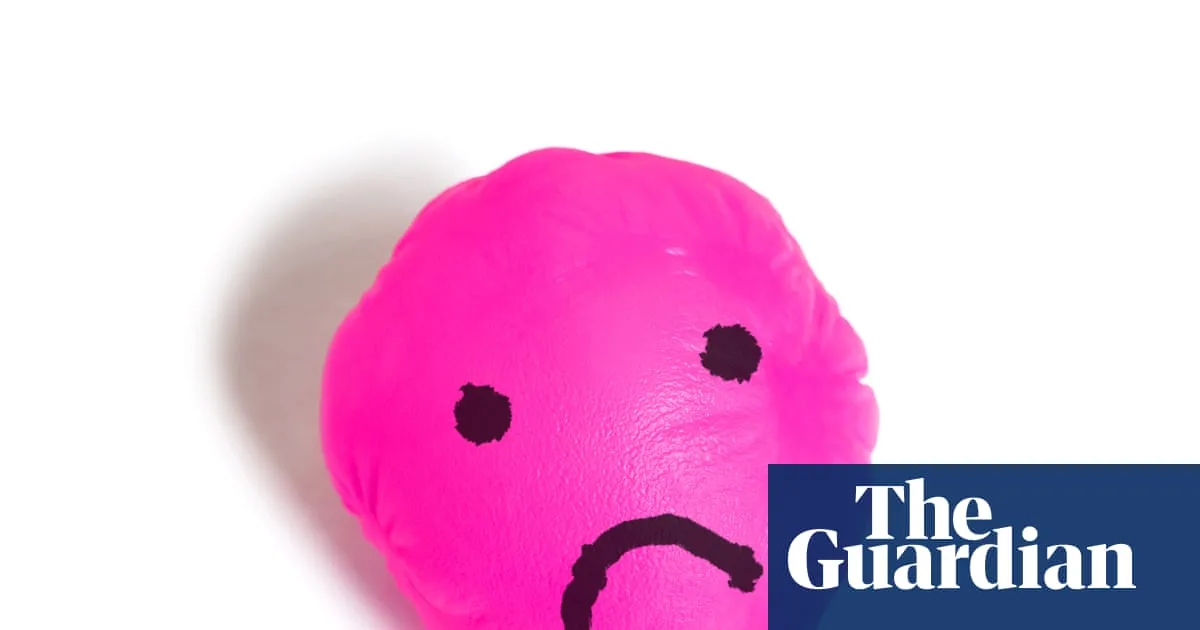
The Environmental Peril of Balloons: Calls for a Ban on Releases Grow
Balloon Boom's Dark Side: Environmental Calls for a Ban

The Hidden Dangers of Balloon Celebrations

From vibrant balloon arches at birthday parties to solemn releases at funerals, these floating symbols of joy and remembrance carry a dark environmental cost. As their popularity surges, concerns mount over the disastrous effects on wildlife and ecosystems, prompting calls for bans and a shift towards sustainable alternatives.

A Childhood Attachment Turned Environmental Crisis

Many recall the simple joy of a party balloon, clinging to it as it deflates over time. However, this nostalgia masks a critical issue: balloons, even those marketed as biodegradable, are often single-use plastics that decompose slowly, posing significant threats to animals and nature. In 2019, research revealed that seabirds ingesting balloons face higher mortality rates compared to other plastics, yet balloons have not received the same regulatory attention as items like plastic straws.

Despite this, balloon-based decor has exploded in popularity, with arches and tunnels adorning events from baby showers to shop openings. Balloon drops mark New Year's Eve and graduations, while releases at funerals symbolize letting go of loved ones, perpetuating a tradition with harmful consequences.

Wide Pickt banner — collaborative shopping lists app for Telegram, phone mockup with grocery list

Industry Pushback and Environmental Advocacy

Within the balloon industry, voices like Naomi Spittles of Balloons by Naomi in Lincoln are leading the charge against releases. In February, she refused a £600 order for 200 memorial balloons, citing environmental concerns. "What goes up must come down, and they don’t go to heaven," she told the BBC, advocating for a UK-wide ban. Spittles highlights how farmers and pet owners have reported livestock and dogs harmed by balloon debris, underscoring the uncontrolled landing sites of released balloons.

Helium balloons can ascend to 10 km and travel vast distances; one launched in Derby was found in Sydney, Australia, after journeying 10,000 miles. To combat this, Spittles suggests alternatives like bubble machines, memorial benches, or tree planting, which offer lasting tributes without environmental harm.

Regulatory Gaps and Global Actions

While the UK lacks a nationwide ban on balloon releases, nearly 100 local authorities have outlawed them, and releases over 5,000 balloons require Civil Aviation Authority permission. Internationally, several US and Australian states have implemented restrictions, with countries like Denmark and Finland prohibiting releases under littering laws. The National Association of Balloon Artists and Suppliers advises members to avoid releases and partners with TerraCycle for recycling initiatives, turning waste into playground equipment.

The Rise of Balloons in Culture and Celebrity Influence

Balloons have evolved from Michael Faraday's 1824 laboratory inventions to staple party accessories, celebrated in pop culture through songs like Nena's 99 Luftballons and films like Pixar's Up. Their appeal has been amplified by celebrities, with figures like Khloe Kardashian and Harry Kane showcasing elaborate displays on social media, driving public demand for balloon arches at events like gender reveals and engagement parties.

Foil balloons, invented in the late 1970s, add to the problem as non-biodegradable items that can conduct electricity and disrupt power lines. Activists like the Vosburgh sisters, founders of Balloons Blow, warn that latex balloons, falsely marketed as biodegradable, contain chemicals and dyes that persist for years, mimicking food and causing fatal blockages in animals.

Scientific Evidence and Sustainable Alternatives

A 2020 study found that so-called "100% biodegradable" balloons showed no meaningful degradation after 16 weeks in compost, continuing to threaten wildlife. Researchers emphasize that additives like antioxidants and dyes make balloons far from natural, labeling such claims as greenwashing. The Marine Conservation Society reports that nearly 40% of UK beaches surveyed had discarded balloons, advocating for reusable options like streamers, flags, and bubble displays enhanced with torches for visual effects.

Pickt after-article banner — collaborative shopping lists app with family illustration

Balloons Blow recommends alternatives such as ribbon dances, drumming, paper pompoms, and wildflower seed bombs, avoiding other problematic releases like sky lanterns or doves. As helium—a finite resource critical for MRI scanners—is wasted on balloons, the call to end releases grows louder. Perhaps it is time to embrace these eco-friendly options and finally let go of balloons, not into the sky, but from our traditions altogether.




