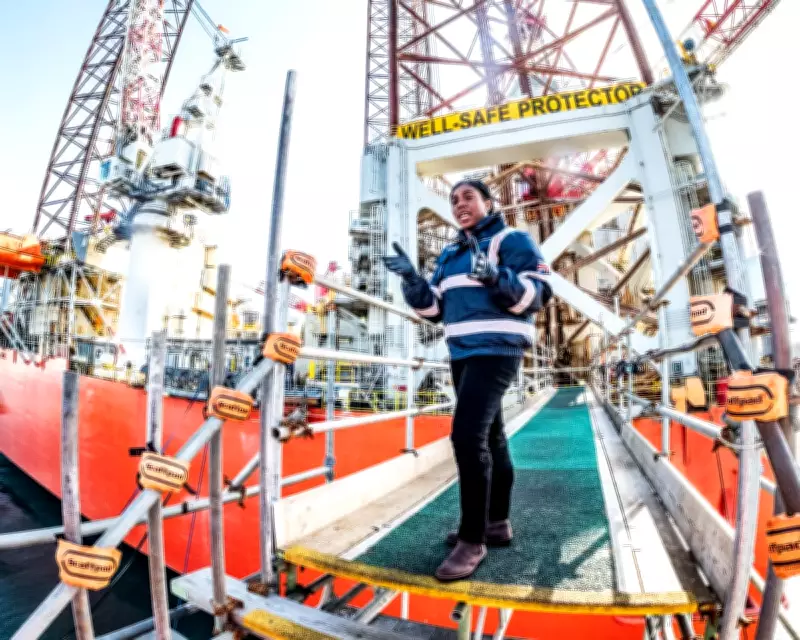
Kemi Badenoch Advocates for Oil and Gas Expansion During Aberdeen Visit
On 30 March 2026, Conservative leader Kemi Badenoch visited an oil rig in Aberdeen, Scotland, to campaign for the expansion of oil and gas production in the North Sea. This move has ignited a heated debate among energy experts and environmentalists, who argue that the climate risks associated with such expansion far outweigh any potential economic benefits.
Environmental Concerns Over North Sea Gas Expansion
In response to a recent column by Nils Pratley advocating for more North Sea gas, Simon Oldridge, co-founder of the National Emergency Briefing, expressed surprise and concern. Oldridge acknowledged Pratley's points about reducing reliance on costly and polluting US liquefied natural gas imports but emphasized that the analysis underestimates the urgency of the climate and nature crisis.
Oldridge highlighted that data from Uplift indicates 14 years of new licensing have yielded only about one month's worth of gas demand. When climate and nature risks are considered, justifying further expansion becomes increasingly difficult. He warned that this is not merely an environmental issue but a systemic threat to food security, economic stability, and national security, with recent research suggesting a rapidly narrowing window to avoid severe disruption.

Criticism of Pratley's Arguments and Alternative Perspectives
Alex Chapman, a senior economist at the New Economics Foundation, criticized Pratley's conclusion that more North Sea drilling could be environmentally beneficial. Chapman argued that this view ignores the cumulative impact if all nations adopted similar strategies, leading to a tragedy of the commons and potential climate collapse. He noted that such arguments have gained traction, partly due to vested interests and a decline in international cooperation.
Chapman pointed out that while Pratley is concerned about rising gas imports from the US, forecasts from Wood Mackenzie, owned by Veritas Capital, project UK gas imports at twice the level of expected demand by 2045. According to the Climate Change Committee, even lower future gas demand is achievable with an ambitious green agenda from the government.
Public Engagement and Media Responsibility
Oldridge stressed the importance of clear, integrated information on these risks, noting that many people feel inadequately informed. In response, civil society groups across the UK are organizing screenings of The People's Emergency Briefing, a film featuring leading experts on climate and nature risks. He urged media outlets, including The Guardian, to reflect this context broadly in their coverage, beyond specialized environmental reporting.
This debate underscores the complex interplay between energy policy, economic interests, and environmental sustainability as the UK navigates its future energy strategy.