Austria's iconic glaciers are undergoing a catastrophic decline, with a staggering 94 out of the nation's 96 ice formations retreating over the past two years. This "dramatic development" serves as a stark and urgent warning about the escalating impacts of climate change across the Alpine region.
Widespread Retreat Across Austrian Glaciers
The latest comprehensive report from the Austrian Alpine Club reveals devastating losses, with the Alpeiner Ferner in Tyrol and Stubacher Sonnblickkees in Salzburg each shrinking by more than 100 metres. The average retreat across all monitored glaciers exceeded 20 metres, highlighting a consistent and alarming pattern of ice loss.
Pasterze Glacier Disintegration
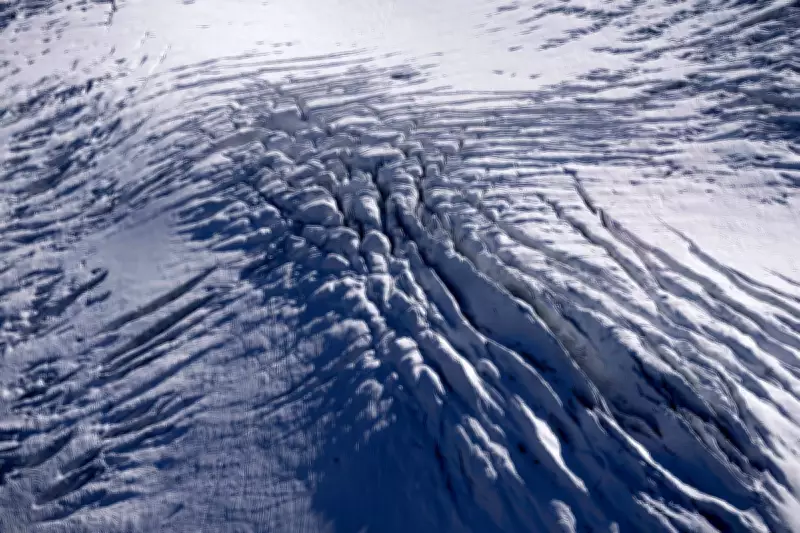
Even Austria's largest glacier, the Pasterze, is experiencing what experts describe as "disintegration of the glacier tongue." This visible deterioration makes "the consequences of climate change unmistakably clear," according to the club's 2024-2025 assessment. The findings "confirm once again the long-term trend: Glaciers in Austria continue to shrink significantly in length, area, and volume."

Broader Implications for Europe
The retreat of glaciers across Austria and neighbouring countries has profound implications for multiple sectors. Drinking water supplies, hydroelectric power generation, agricultural irrigation, mountain infrastructure, and winter tourism activities all face fundamental challenges as the Alpine landscape transforms.
This alarming trend extends beyond Austria's borders. Switzerland, home to Europe's highest concentration of glaciers, has documented similar declines in recent years, reflecting a broader global phenomenon of accelerated glacial melt.
Climate Factors Driving the Retreat
Poor weather conditions have significantly contributed to the rapid retreat. Low snowfall accumulation combined with exceptionally warm temperatures—including last June's temperatures nearly 5 degrees Celsius (9 degrees Fahrenheit) above historical averages—have created ideal conditions for accelerated melting.
"The glaciers are melting—and with every new report, the urgency grows," stated Austrian Alpine Club vice president Nicole Slupetzky. "It's no longer a question of whether we can still save the glaciers in their old form; it's about mitigating the consequences for ourselves."
A Call to Action
The Austrian Alpine Club emphasizes that such dramatic changes in the Alps should serve as a "wake-up call" for policymakers and the general public regarding climate behavior and environmental policies. While the current retreat figures are slightly lower than during the previous two years, they still rank as the eighth-largest retreat in 135 years of continuous measurements.
The ongoing disappearance of Austria's glaciers represents not just an environmental tragedy but a clear indicator of climate change's tangible impacts. As these natural landmarks continue to diminish, they leave behind a transformed landscape and urgent questions about adaptation and mitigation strategies for the future.