Australia's Emissions Show Mixed Progress Amid Global Energy Shifts
National emissions in Australia have begun to decrease, primarily driven by the rapid expansion of solar power generation. However, this positive trend is overshadowed by the continued prosperity of fossil fuel industries, especially in coal and gas exports. According to analysis by Adam Morton, while renewable energy gains traction, the government faces mounting pressure to implement effective climate policies, with carbon pricing emerging as a contentious yet potentially crucial tool.
Global Context: Renewable Advances and Fossil Fuel Challenges
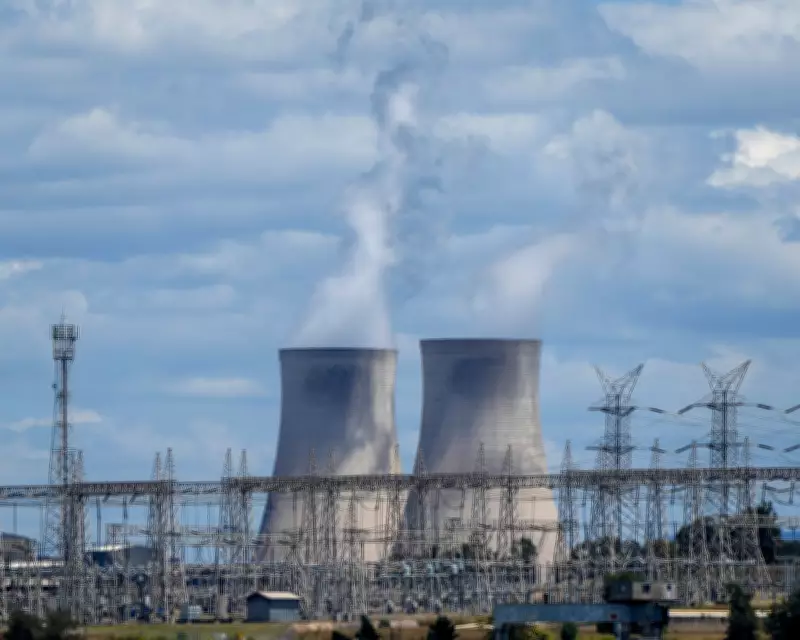
The International Energy Agency (IEA) recently reported a decline in coal-fired power generation in both China and India last year, marking a significant shift. In India, this reduction was partly due to a record 20% increase in renewable energy output, coupled with favorable monsoon conditions that reduced electricity demand. Meanwhile, China saw solar generation surge by over 40% and wind energy rise by 12%, contributing to 22% of its electricity mix, up from 18% the previous year.
Despite these advancements, the IEA cautions that coal output may rebound as energy needs grow. In contrast, the United States, under the Trump administration, experienced an uptick in coal power due to slowed plant closures and reduced support for renewables, highlighting divergent global approaches to climate action.

The Carbon Pricing Debate in Australia
In Australia, the debate over climate policy has intensified, with experts like Danielle Wood of the Productivity Commission advocating for carbon pricing as the most cost-effective method to reduce emissions. She emphasized that either a carbon tax or an emissions trading scheme could offer superior alternatives to current fragmented policies, which have been in place since the abolition of a carbon price scheme in 2014.
Organizations such as the Superpower Institute, led by Ross Garnaut and Rod Sims, have proposed new levies on fossil fuel extractors and importers to incentivize cleaner practices. While many climate economists, including Frank Jotzo, acknowledge the theoretical benefits of such measures, they express skepticism about political feasibility, citing past misinformation campaigns that have swayed public opinion against carbon pricing.
Policy Alternatives and Future Directions
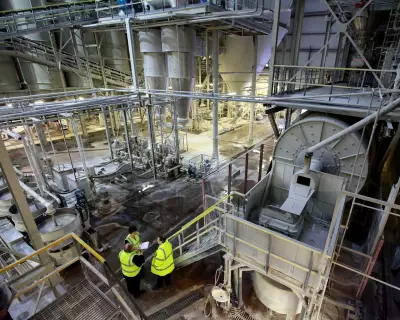
As Australia strives to meet its 2035 emissions targets, the government is considering alternatives like expanding the safeguard mechanism, a policy initially introduced by the Coalition and modified by Labor in 2023. This mechanism requires major industrial sites to cut emissions, but critics argue it may not suffice without stronger enforcement.
The upcoming review of the safeguard mechanism will be pivotal, focusing on whether the government will impose greater legal and financial pressures on polluters. With global emissions still high and the Intergovernmental Panel on Climate Change calling for a 43% reduction by 2030 to limit warming to 1.5°C, Australia's actions will be closely watched.
Ultimately, the challenge lies in balancing economic interests with environmental imperatives. As Adam Morton notes, the opportunity for meaningful climate action is ripe, but political will remains a key determinant in whether Australia can effectively transition to a low-carbon future.