Australia's Summer of Suffering: Heat and Fire Ravage the Nation
Australians are accustomed to extreme weather, with a national identity forged in a "sunburnt country" of droughts and flooding rains. However, since the catastrophic 2019-20 bushfires that burned an area nearly the size of the UK and impacted billions of animals, the arrival of warmer seasons now brings profound dread. This summer has delivered punishing extremes of heat and fire, brutal even by Australian standards, highlighting the escalating climate crisis.
Record-Breaking Heatwaves and Devastating Fires
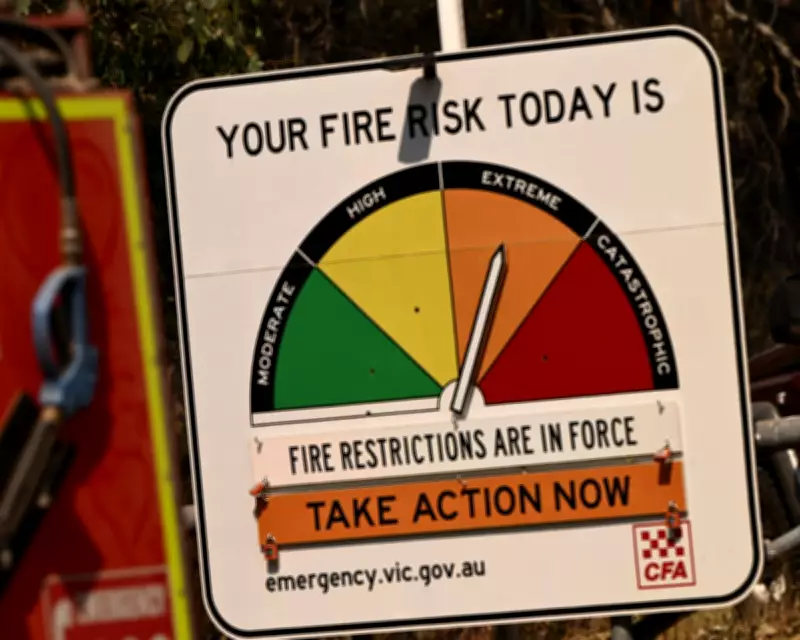
In early January, south-eastern Australia experienced its most significant heatwave since the "black summer" of 2019-20. Major cities sweltered, with temperatures hitting 41°C in Melbourne and 43°C in Adelaide, while other regions soared above 45°C. This hot, dry weather created ideal conditions for bushfires. On 9 January, under "catastrophic" conditions, nearly 200 fires erupted in Victoria, with volunteer firefighters in towns like Longwood and Harcourt battling blazes that ultimately destroyed their own homes. Some fires burned for over a month before being contained.
Climate scientists have identified that this extreme heatwave was made five times more likely by greenhouse gas emissions. Shortly after this revelation, another heat blast rewrote records. In the opal-mining town of Andamooka, South Australia, temperatures reached 50°C, marking only the eighth such occurrence in Australian history. Victoria shattered its all-time heat record at two locations, peaking at 48.9°C. In Melbourne, parts of the city hit 45°C, creating an apocalyptic atmosphere where the air felt smothering and searing, especially in direct sunlight where temperatures can exceed official readings by up to 15°C.

Health, Economic, and Environmental Impacts
Extreme heat is the leading cause of weather-related hospitalisations in Australia, claiming more lives than all other natural hazards combined. Despite oppressive conditions, major events like the Australian Open proceeded with extreme heat protocols, raising questions about the feasibility of summer activities as global heating intensifies. The season's toll is staggering: over 435,000 hectares of land burned in Victoria, destroying more than 900 structures. Insured losses from fires, floods, heatwaves, and storms this summer have reached approximately $1.6 billion, with additional challenges including seven cyclones, widespread flooding, and a persistent algal bloom along the South Australian coast.
Wildlife has suffered immensely, with flying foxes dying in thousands and some plant species feared extinct. Iconic koalas, typically reliant on moisture from gum leaves, have been seen desperately drinking water provided by humans. Although a La Niña event has slightly tempered the heat, Australians must brace for increasingly severe summers.
Energy Transition and Government Controversy
Amid the crisis, Australia has made strides in transitioning from coal-dependent electricity, with solar power providing 30% of the main grid's electricity during the second heatwave and renewables exceeding 50% in late 2025. However, the centre-left Labor government continues to support new fossil fuel projects, approving 33 coal and gas developments since 2022. Recently, it expanded a coalmine estimated to release 236 million tonnes of CO2, equivalent to nearly half of Australia's annual emissions. Conservationists have sharply criticised these actions, accusing the government of "burning our future and burning their own credibility." As global pressure to abandon fossil fuels grows, the political response remains uncertain.