
A cross-party Senate inquiry in Australia has concluded that climate misinformation and disinformation are fuelling conflict in communities, slowing renewable energy projects and undermining policy responses to the climate crisis. The final report, released on Tuesday evening, recommends the government do more to make tech companies liable for 'psychosocial harms' spread on their platforms.
The inquiry, called by the Greens in July last year, held 11 days of public hearings and received over 240 submissions from academics, fossil fuel lobby groups, thinktanks, conservationists, renewable energy companies, UN representatives and groups both supporting and opposing local renewables projects. Tech groups including Meta, TikTok and Google gave evidence, as did News Corporation, which rejected accusations it was part of a climate 'denial machine'.
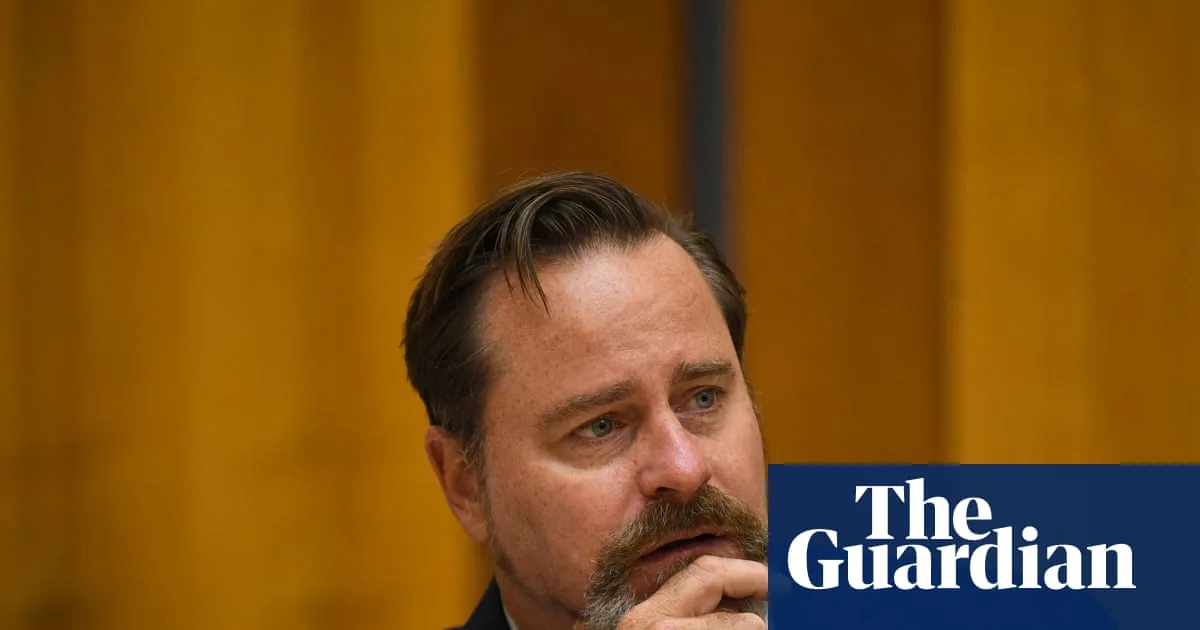
Committee chair, retiring Greens senator Peter Whish-Wilson, said the inquiry heard evidence of a 'denial machine' of conservative thinktanks, PR firms, consultancies, interest groups and 'some conservative media outlets' that had worked to obstruct climate and energy policy in Australia for decades. 'Protecting and strengthening information integrity in our politics and exposing the groups who serve to benefit from undermining it must be a priority in the battle for our democracy and for a safe climate future,' he said.
The report also recommends strengthening media literacy in schools through the national curriculum, more funding for research into mis- and disinformation, and that the government sign a UN declaration launched in Brazil in 2025 aimed at combating climate mis- and disinformation. The National Health and Medical Research Council should fund new research on the effects of wind energy on human health, the committee said.
The inquiry's report was endorsed by Greens and Labor members, but independent senator David Pocock and progressive Liberal senator Andrew McLachlan said it should have gone further, describing the problem as 'a systemic failure'. In dissenting reports, Nationals leader Matt Canavan claimed the inquiry was biased, while One Nation senator Malcolm Roberts falsely claimed human emissions have no effect on atmospheric carbon dioxide levels.




