
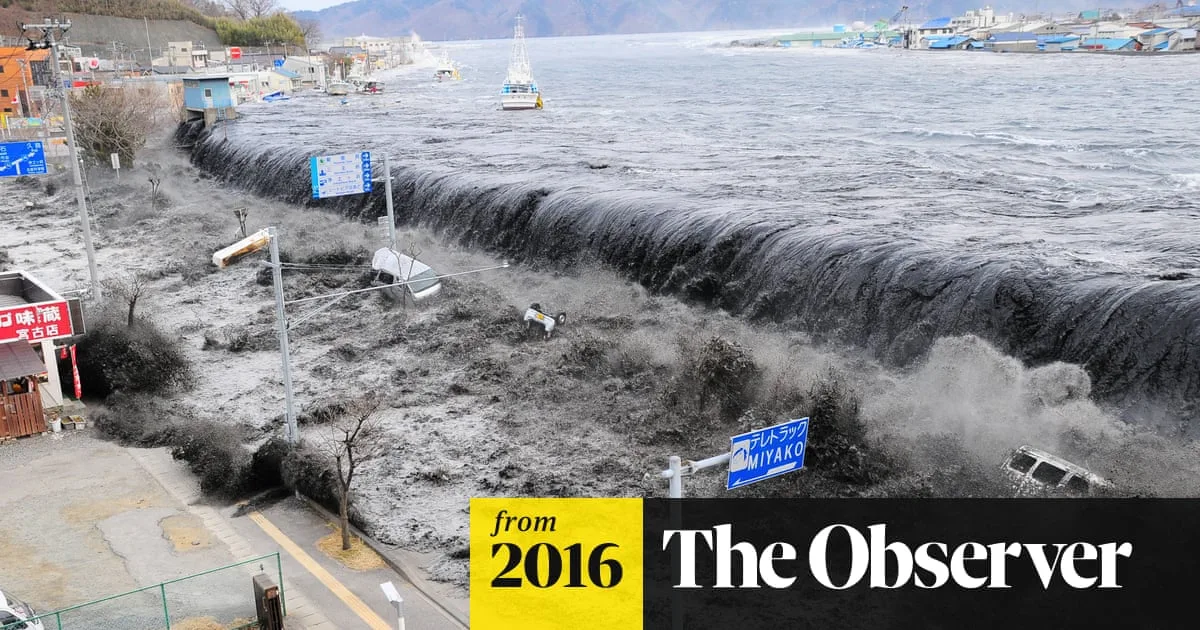
While climate change cannot be blamed for individual storms like Hurricane Matthew, scientific consensus indicates it is driving an increase in the frequency of the most powerful hurricanes, according to experts. The 2016 Atlantic hurricane season has been unremarkable overall, with recent years seeing low activity, but rising sea surface temperatures are expected to fuel more intense storms.
Kerry Emanuel, a hurricane scientist at MIT, has pointed to Hurricane Matthew as a likely sign of things to come in a warming world. The debate among researchers has been contentious, but evidence now supports a significant increase in hurricane activity since the 1980s, primarily driven by progressive climate warming.
Michael Mann of Penn State University notes that record warm sea temperatures last year contributed to the strongest hurricanes in both hemispheres. As the Atlantic continues to heat up, the trend is towards more powerful and wetter storms, potentially making Matthew seem minor by mid-century.
Similar patterns are forecast for Pacific typhoons and mid-latitude storms affecting the UK and Europe, with an expected rise in the frequency of larger, more destructive storm systems. The impact of climate change on tornadoes remains uncertain, though a trend towards more powerful storms in the US has been noted.
Beyond storms, climate change interacts with the Earth system in complex ways, including melting polar ice caps and raising sea levels, increasing coastal flood risks. The atmosphere's influence extends to oceans and ice, amplifying the dangers of extreme weather events.




