
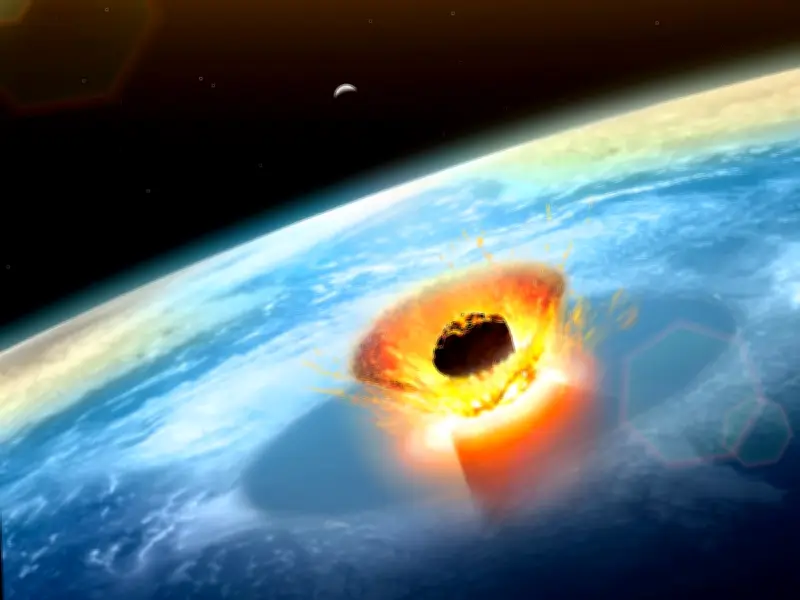
An asteroid strike that levelled 830 square miles (2,150 sq km) of forest in Siberia in 1908 is commemorated on International Asteroid Day, June 30, as scientists assess the chances of a repeat event. The United Nations-endorsed day raises awareness of asteroids' scientific value and impact dangers.
Tunguska Event: The Largest Recorded Impact
The date marks the Tunguska Event of June 30, 1908, when a stony planetoid 50 to 60 metres (160 to 200 feet) wide exploded over Siberia, Russia. It flattened 2,150 sq km (830 sq mi) of forest but left no crater, having burned up fiercely in the atmosphere.
Chicxulub: The Dinosaur Killer
66 million years ago, a 10 km (6 mile) wide asteroid struck modern Mexico, creating a 200 km (120 mile) crater. It ignited continent-sized wildfires and launched soot that blocked the sun, causing climate chaos that wiped out the dinosaurs.
Asteroid Belt and Composition
Most asteroids orbit between Mars and Jupiter in a belt. About 1.6 million have been catalogued, but many more are thought to exist. The largest, Vesta, has a 530 km (329 mile) diameter; the smallest are under 10 metres (33 feet) across. Their total mass is less than Earth's moon.
NASA Monitoring and Impact Risk
NASA constantly monitors the skies. According to the agency, it is highly unlikely a rock large enough to cause widespread damage will hit Earth for the next 100 years or more. However, smaller, house-sized asteroids reach the planet every decade or so, causing bright fireballs and sonic booms that can break windows.
Naming Conventions and Curiosities
Asteroids are named according to International Astronomical Union rules: one word if possible, inoffensive, original, and up to 16 characters. Naming after pets is “strongly discouraged,” but in 1971, stargazer James B. Gibson named 2309 Mr Spock after his cat.
Composition and Value
Asteroids are rocky leftovers from the solar system's birth 4.6 billion years ago. Some have rings or tiny moons. Metallic asteroid 16 Psyche is thought to contain iron and nickel worth around $700 quintillion (£530 quintillion), enough to make everyone on Earth a multi-trillionaire.




