In April 1976, the United Kingdom basked in an unseasonably warm and dry spell, with temperatures soaring to highs of 21°C across much of the country. This pleasant weather, particularly during the Easter weekend, was driven by an area of high pressure moving towards the UK, bringing sunshine and settled conditions to most regions, though Scotland remained more unsettled.
Record Low Rainfall and Early Drought Signs
The month saw remarkably little precipitation, defying its typically showery reputation. Plymouth recorded a historic low of just 4mm of rain, contributing to the 12-month period leading up to April 1976 being the driest ever documented in UK history. This lack of rainfall set the stage for more severe weather challenges ahead.
Foretaste of a Scorching Summer
The warm, dry conditions of April served as a precursor to the almost unbelievably hot summer that followed. As temperatures escalated, grass parched and turned brown, tarmac softened on roads and runways, leading to ridges and cracks, while railway tracks buckled due to expanding steel rails. The prolonged drought became a serious issue, resulting in widespread water rationing across the nation.

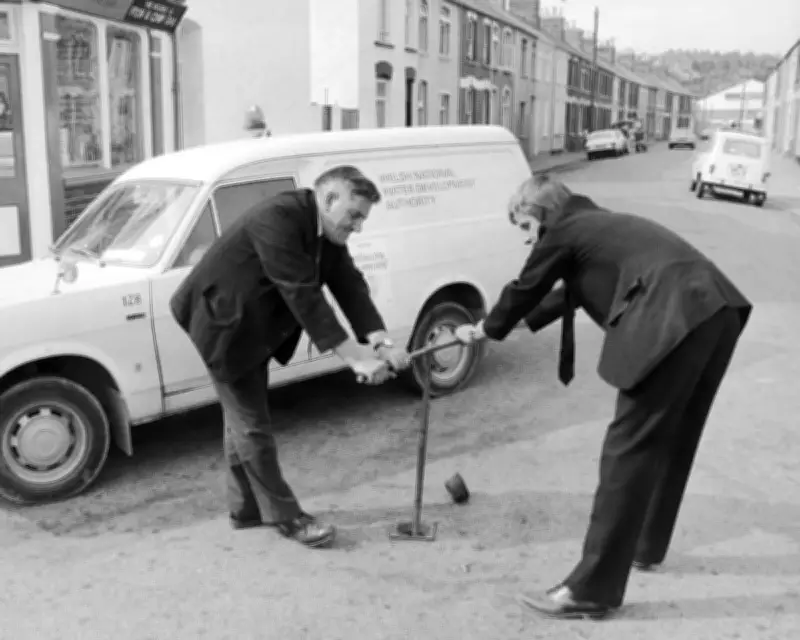
In some areas, standpipes were installed in streets to replace domestic water supplies, and restrictions on water use forced the closure of certain schools and businesses. A notable instance occurred in Gwent, where two men from the Welsh National Water Development Authority were photographed turning off the water supply at 7pm, with reconnection scheduled for 8am the next day, illustrating the strict measures implemented during this period.
Public Perception and Unforeseen Consequences
At the time, the warm April weather was largely viewed as a bonus, with most people expecting normal rainfall to resume shortly. Few recognized it as an ominous sign of the scorching conditions and water shortages that would define the summer of 1976, making it a pivotal moment in UK climate history.