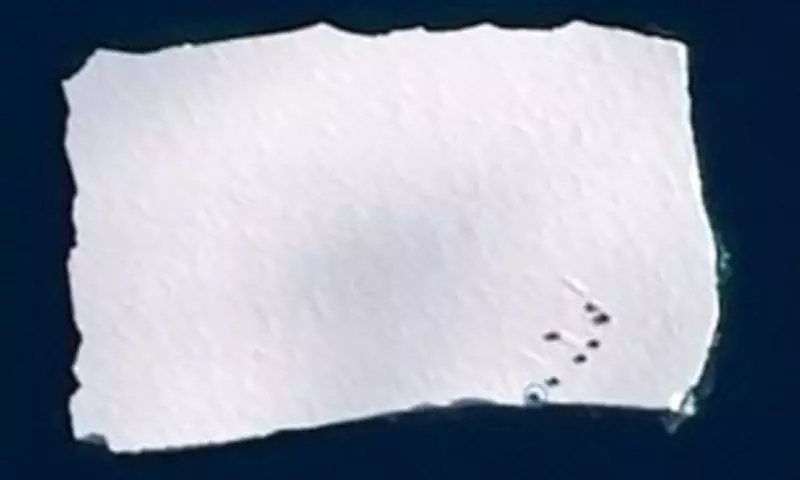
Antarctic explorers at Germany's Neumayer Station III have been left without accommodation and fuel supplies after a massive ice sheet carrying seven shipping containers broke off and drifted into the Weddell Sea during a violent blizzard in January.
Lost Supplies and Accommodation
The seven containers, which had been placed on the ice for loading onto a ship, contained essential supplies including special gear, 9,500 litres of winter diesel, gas cylinders, and batteries. One container served as accommodation for crew members. When the storm subsided, researchers discovered the containers had floated away, leaving them stranded without these critical resources.
Recovery Efforts and Environmental Concerns
The German research icebreaker Polarstern located the ice sheet about 87 miles from its origin, prompting a partial recovery operation by helicopter to retrieve fuel and batteries. However, the operation was abandoned as the ice slab became increasingly unstable. A month later, satellite images showed the ice sheet had broken apart, and the containers are believed to have sunk to the seabed.

This raises serious environmental concerns, as one container held 9,000 litres of winter diesel. The Antarctic Treaty Consultative Meeting noted that the container likely leaked its fuel upon impact or implosion on the seabed. New measures have been implemented, requiring containers to be stored at least three miles from the ice edge and mandating closer monitoring of ice sheets.
Broader Implications for Sea Level Rise
The incident coincides with warnings from scientists that rapidly melting Antarctic ice shelves could accelerate global sea level rise. Norwegian researchers discovered that deep grooves beneath the ice trap warm ocean water, melting ice 10 times faster than normal. Lead author Dr. Qin Zhou warned that these ice shelves may be more vulnerable to ocean warming than previously thought. If weakened or collapsed, they could release massive amounts of ice, raising sea levels by up to 190 feet and threatening millions with flooding.