Thames Water, the UK's largest water supplier, has announced a hosepipe ban affecting 16 million customers, bringing the total number of households and businesses under such restrictions to approximately 24 million across six water companies. The ban, officially termed a temporary use ban, takes effect just after midnight on Thursday, but the utility is urging customers to comply immediately.
Scope and Enforcement of the Ban
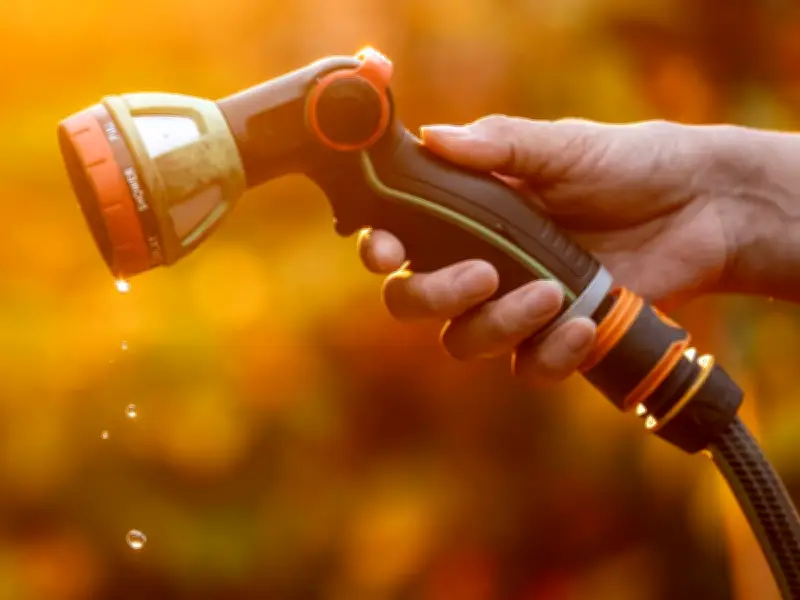
The ban prohibits non-essential use of hosepipes, including watering gardens, cleaning cars, filling paddling pools, and topping up hot tubs. Water companies have the authority to impose fines of up to £1,000 on violators. Thames Water joins five other suppliers—South East Water, Southern Water, South West Water, Welsh Water, and Yorkshire Water—in implementing restrictions amid exceptionally dry conditions.
South East Water, which announced its ban on Monday, will enforce restrictions for 2.4 million customers in Sussex, Surrey, Hampshire, and Berkshire starting Saturday, adding to an existing ban in Kent. The company is asking customers to immediately reduce water use for gardens, cars, patios, boats, and swimming pools.
Water Usage and Climate Context
Thames Water reports that water use is currently 10% above normal in the Thames Valley and Home Counties, and 7% above normal in London. This elevated demand coincides with ongoing hot temperatures following three unprecedented heatwaves in three months and the driest spring on record for England and Wales.
Nevil Muncaster, director of strategic water resources at Thames Water, stated: "We would not be taking this step unless it was necessary to protect water supplies for everyone and the environment. While there is enough water for essential use, we need to reduce non-essential outdoor demand to keep taps flowing." He thanked customers who have already reduced water use and noted that teams are working around the clock to maintain supply, fix leaks, and support customers.
Political and Financial Implications
The ban comes amid speculation that Thames Water, burdened with significant debt, could face nationalisation. The possibility has increased with the arrival of Prime Minister Andy Burnham, who previously supported the idea during his tenure as Mayor of Manchester.
Muncaster added: "We will keep the situation under close review and lift restrictions as soon as it is safe to do so." The ban applies to Thames Water customers receiving drinking water but excludes waste-only customers or those supplied by other companies.