
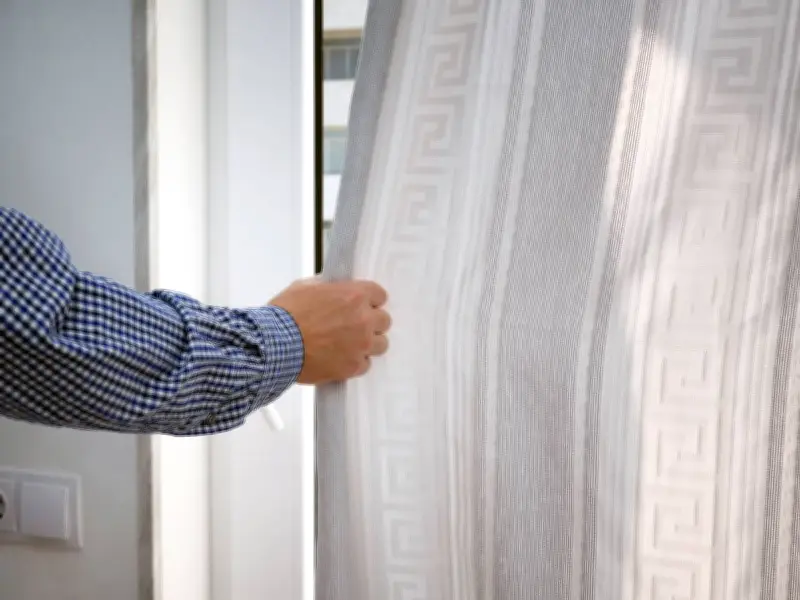
As the UK continues to experience hotter summers and heatwaves, it's important to find ways to keep your home cool without relying on air conditioning or fans. According to lifestyle writer Sophie Harris, one effective method is a simple 2-minute task every morning: closing blinds and curtains before the sun fully warms the property.
Why Closing Blinds and Curtains Works
Sunshine streaming through windows can rapidly transform a room into a hothouse, particularly during the peak of the afternoon. When sunlight enters through the window, it warms the floors, walls, and furnishings, which subsequently radiate heat back into the space. By keeping curtains and blinds drawn during the warmest portion of the day, you significantly limit heat absorption.
Blackout or heavier curtains can be even more effective, though standard curtains can still deliver a noticeable improvement. If total darkness isn't desired, Brits can alternatively tilt blinds to minimise glare while still blocking direct sunlight.
Additional Tips for Cooling Your Home
It is also vital to air out the home at suitable times. Once outdoor temperatures decline in the evening, it presents the ideal opportunity to open the curtains, blinds, and windows. Cross-ventilation is most effective, meaning opening windows on opposite sides of your home to establish proper airflow.
Beyond managing curtains and airflow, there are other minor tweaks that can make UK summers more comfortable. These include steering clear of ovens or tumble dryers during the warmest hours of the day and using frozen hot water bottles at night to keep cool.
Summers in the UK are growing progressively hotter, with heatwaves now a familiar feature. Unlike in many other nations, the majority of British homes lack built-in air conditioning, and portable fans often fail to provide meaningful relief. Consequently, maintaining cool indoor temperatures in spaces like bedrooms during sweltering weather can prove difficult. Warm weather in the UK can feel especially oppressive because properties are typically built to trap heat rather than disperse it.




