Yemen's civil war, which began in 2014, continues to cause immense suffering, yet it often falls under the radar as other global crises dominate headlines. At the start of 2026, the humanitarian situation remains dire, with 23 million people—two-thirds of the population—requiring aid. The country faces the world's second-largest food crisis, and nearly half of all children under five are chronically malnourished.
Humanitarian funding has been severely cut, with only 24 per cent of needs met in 2025, leaving a shortfall of $1.8 billion. Oxfam Yemen reports that its funding collapsed by 80 per cent compared to a typical year. In the north, operations are further complicated by the Houthis, who have arbitrarily detained aid workers, including 69 UN staff, deterring some international NGOs from operating in their territory.
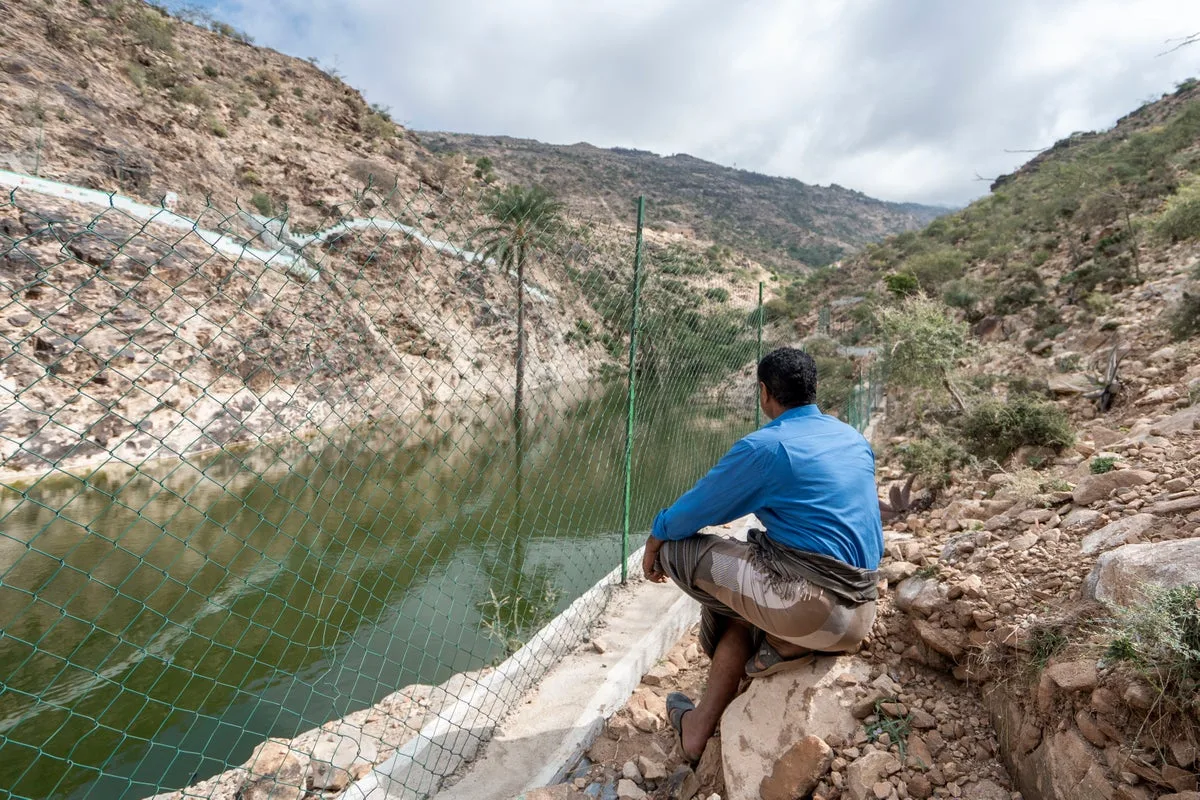
Yemen is also one of the world's most climate-vulnerable countries. Precipitation has fallen by an average of 6.25mm per decade since 1971, and water availability has declined by 60 per cent since 1990 due to extreme heat and reduced use of traditional water storage. Farmers like Ahmed Mohammed Naji Abdullah, 37, from Taiz, struggle with rising temperatures, erratic rainfall, and pests. 'The heat burned our seedlings, and the cold damaged what survived. Everything became unpredictable,' he says.
Mujib Mohammed Ali, 51, also from Taiz, faces severe water shortages. Dried-up wells force his community to walk long distances for water. 'Even our animals had no place to graze. Life becomes harder every day,' he says. Research from ODI Global highlights an 'absence of trust' over water in Taiz, leading to unregulated borehole drilling described as 'anarchy' and escalating local conflicts over wells and land use.
Water governance in Taiz is undermined by unclear regulations and a budget of less than $10,000 per year for the local water authority. This regulatory void fuels grievances over poor service delivery, undermining the government's legitimacy and hindering peacebuilding. Nada al-Saqaf from Oxfam Yemen notes, 'Climate change was not the cause of the conflict, but it deepens the wounds. It multiplies the problems farmers are facing and makes everything more difficult.'