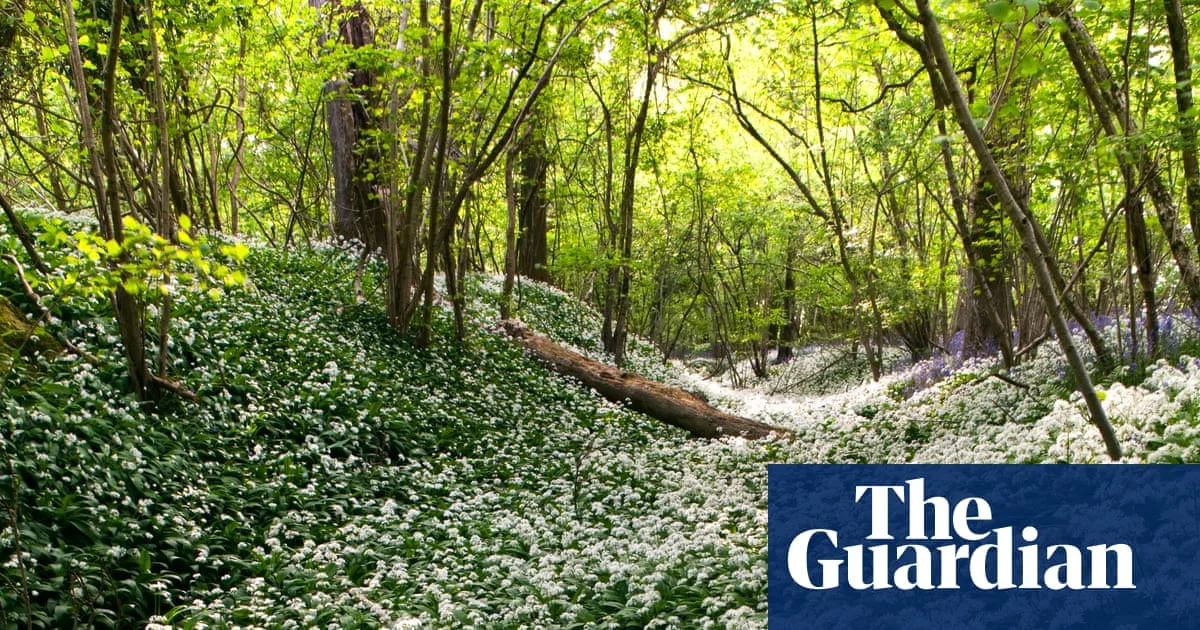
As spring unfolds, many gardeners eagerly anticipate the vibrant blooms of daffodils and tulips, but for some, the true essence of the season lies in edible delights like wild garlic. While traditional spring bulbs symbolize the return of fairer weather, they often fail to captivate those who seek more practical and flavorful additions to their gardens. Instead, wild alliums, such as wild garlic, crow garlic, and three-cornered leek, offer a delicious and aromatic way to celebrate spring's arrival, transforming both landscapes and culinary experiences.
The Allure of Edible Alliums in Spring Gardens
Unlike conventional spring bulbs that may dwindle without replenishment, wild alliums provide a sustainable and tasty alternative. These plants are not just ornamental; they are fully edible, adding a burst of flavor to dishes. For gardeners who prefer functionality over mere aesthetics, wild garlic and its relatives represent a perfect blend of beauty and utility. Their strong, garlicky aromas and versatile uses in cooking make them standout choices for any garden seeking to embrace the season's bounty.
Wild Garlic: A Delectable Woodland Treasure
Wild garlic, scientifically known as Allium ursinum, is perhaps the most renowned member of this group. Its strongly flavored leaves carpet woodland floors, accompanied by clusters of white, star-shaped flowers that are also edible. However, it is crucial to leave most flowers for pollinators to support local ecosystems. This plant thrives in shaded areas and can even make a home in front gardens, as experienced by many enthusiasts. When foraging or cultivating wild garlic, always ensure correct identification, pick only from permitted areas, and leave plenty behind to promote regrowth. The distinct garlic smell and taste of the leaves serve as a reliable identification marker, reducing the risk of confusion with non-edible plants.
Crow Garlic: A Subtle Yet Flavorful Garnish
Another valuable wild allium is crow garlic, or Allium vineale, which often goes unnoticed due to its slender, chive-like appearance. It blends into long grass with its darker, duskier green leaves, but crushing a leaf releases an unmistakable onion-y scent. While wild garlic can replace spinach in recipes, crow garlic is best used as a garnish, adding a subtle yet distinct flavor to dishes. Its ease of growth in various conditions, such as gravel gardens, makes it a low-maintenance addition for those looking to diversify their edible plant collections.
Three-Cornered Leek: Abundant but Invasive
Three-cornered leek, or Allium triquetrum, is less common than wild garlic but notorious for its aggressive spreading habits. It features long, narrow leaves with a central ridge and bell-shaped white flowers, suitable for any dish requiring greens. Although it may be less palatable than wild garlic, its abundance compensates for this drawback. Due to its invasive nature, it is illegal to plant three-cornered leek in the wild, highlighting the importance of responsible gardening practices. Gardeners should exercise caution when introducing this plant to controlled environments to prevent unwanted spread.
Cultivating Wild Alliums Responsibly
Introducing wild garlic into a garden can be done through purchased bulbs or donations from friends, but it requires careful management. Once established, wild garlic tends to spread vigorously season after season, potentially becoming difficult to contain. Despite this, many gardeners, including the author, cherish its annual reappearance as a joyful sign of spring. To maintain balance, consider planting in contained areas or regularly harvesting to control growth. Always prioritize ethical sourcing and avoid digging up plants from the wild to protect natural habitats.
In summary, wild garlic and other edible alliums offer a unique and flavorful way to embrace spring. By focusing on these plants, gardeners can enhance their cooking, support local biodiversity, and enjoy the practical benefits of a thriving edible garden. Remember to forage and cultivate responsibly, ensuring these delightful plants continue to herald spring for years to come.






