Gardening Expert Shares Simple Fixes for Non-Flowering Camellias and Rhododendrons
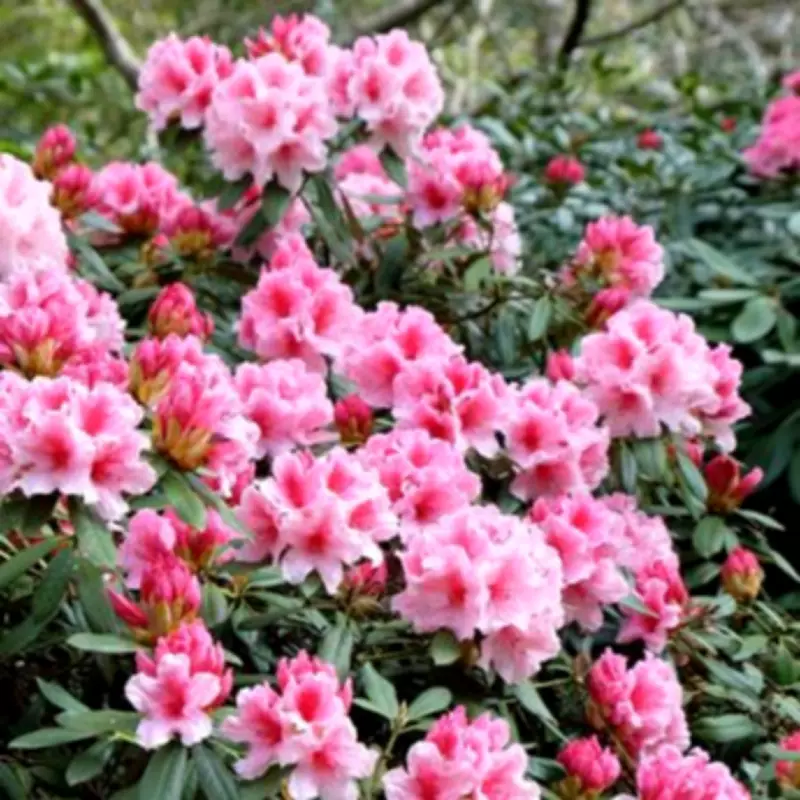
Even the most dedicated gardeners can inadvertently harm their plants through common mistakes. If your camellias and rhododendrons have failed to produce their vibrant seasonal blooms, you might be unknowingly committing one of several errors that prevent flowering.
Gardening specialist Michael Griffiths has identified three primary reasons why these popular ornamental shrubs may not blossom, all of which are easily correctable with proper care and attention.
Soil Acidity: The Critical First Check
The most frequent issue affecting camellias and rhododendrons is incorrect soil pH levels. Both plants thrive exclusively in acidic soil conditions, and planting them in alkaline environments will result in abundant foliage growth at the expense of flowers.

Michael Griffiths emphasizes in a recent social media presentation that gardeners should first test their soil's acidity. "If your camellia or rhododendron didn't flower this year, it's probably due to one of three reasons," he explains, with soil composition being the foremost concern.
To rectify this, Griffiths recommends incorporating ericaceous compost or other soil acidifiers to create the optimal growing environment. According to horticultural authorities, rhododendrons require humus-rich acidic soil with a neutral to acidic pH, while camellias perform best with soil pH levels between six and 6.5.
Pruning Timing: Avoiding Accidental Bud Removal
Improper pruning represents another common mistake that can eliminate an entire season's blooms. Camellias typically flower between October and April, while rhododendrons blossom from April through July, but both plants develop their flower buds during the previous growing season.
Griffiths warns that pruning during summer, autumn, or winter months may accidentally remove these pre-formed buds. "These plants 'set' their flowers the previous year," he clarifies. "So if you pruned in summer, autumn or winter, you might have cut them off before they even had a chance."
The expert recommends pruning these shrubs immediately after they finish flowering, ensuring next season's buds remain intact and undisturbed.
Environmental Stress: Light and Weather Factors
Excessive shade or environmental stress can also prevent camellias and rhododendrons from flowering successfully. Griffiths notes that these plants prefer dappled sunlight rather than deep shade, and various weather conditions can cause them to abort their buds prematurely.
"They like dappled light, not deep shade," he advises, "and if there's been a drought, frost or too much wind, they might abort their buds."
To maintain optimal conditions, gardeners should monitor light exposure carefully, provide regular watering during dry periods, and protect plants from harsh weather elements that might stress them excessively.
By addressing these three key areas—soil acidity, pruning timing, and environmental conditions—gardeners can rescue non-flowering camellias and rhododendrons and ensure spectacular blooms in subsequent growing seasons.