
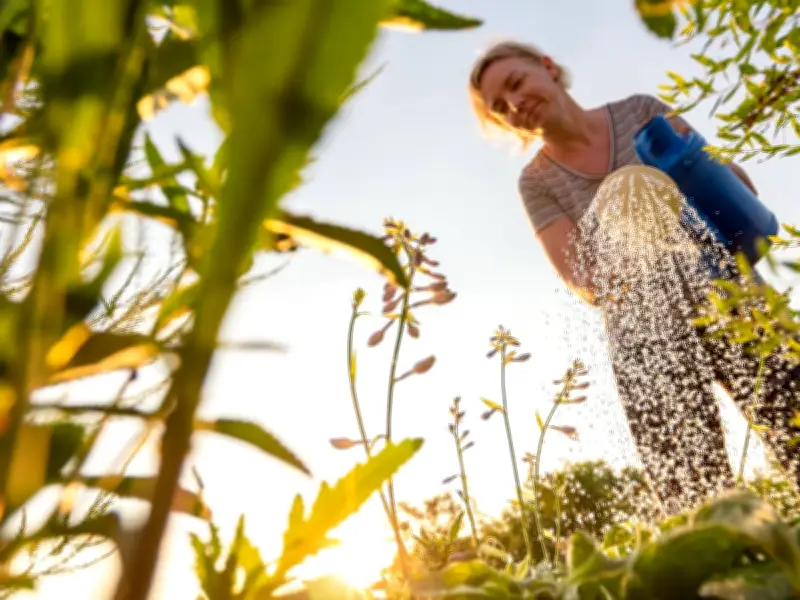
Watering at the correct time can mean the difference between a garden that survives the heat and one that experiences water stress within days. Heatwaves test both plants and their caretakers. During this initial heatwave of the summer, which, according to the AEMET, will continue until Thursday, temperatures are climbing, and the sun is blazing for hours on end. One of the most frequent queries amongst gardening enthusiasts and professionals is when's the optimal time to water plants so they can benefit most effectively.
While it may appear that any moment is suitable provided the soil is dry, the truth is that the chosen time of day directly affects the roots' capacity to absorb water, water evaporation and even the general wellbeing of the plants. For this reason, experts are united on a recommendation that's especially crucial during spells of extreme heat.
Royal Horticultural Society Recommends Early Morning Watering
The Royal Horticultural Society (RHS) says early morning is the best time to water plants, because there is less evaporation. When the sun hasn't yet reached its peak intensity, temperatures are milder, the water has more time to soak into the soil before it evaporates, and plants can utilise the moisture throughout the day.
Additionally, watering in the morning guarantees that plants possess adequate water reserves to handle the hottest period of the day. Throughout the day, leaves shed water through transpiration, a natural mechanism that intensifies in high temperatures. When the roots contain sufficient moisture, the plant can better endure heat stress. A further advantage is that any excess moisture on leaves and stems has opportunity to evaporate before evening arrives, minimising the likelihood of fungal infections and other diseases.
Second-Best Time: Late Afternoon or Dusk
The second-best alternative is to water during late afternoon or at dusk, as the heat starts to diminish. During this period, evaporation decreases once more, and the water stays accessible in the soil for an extended time. Nevertheless, some specialists warn against leaving foliage wet overnight, especially in locations with elevated ambient humidity. They consequently suggest directing the water directly to the plant's base, where it's genuinely required.
What appears certain is that midday represents the most unsuitable moment for watering. In extreme temperatures, a substantial amount of the water evaporates before reaching the roots, leading to squandered resources and less efficient watering.
The Mistake of Watering Little and Often
During a heatwave, lots of people opt to water with small quantities multiple times daily. However, experts typically advise a different approach: deeper, less regular watering. When water reaches several centimetres down into the soil, roots are encouraged to grow towards deeper, damper zones. This fortifies the plant and makes it more robust during dry spells or elevated temperatures.
The RHS says shallow watering can leave roots closer to the surface where soil dries out fastest. To determine whether you need to water again, use the 'finger test'. It involves pushing a finger a few centimetres into the soil. If the soil remains moist, the plant likely doesn't require any more water yet. If it's dry, it's time to water once more.
Special Care for Potted Plants and Containers
Different plants respond differently to heat. Those in pots, planters or hanging baskets are inclined to struggle more during spells of high temperatures. The explanation is straightforward: they have less soil volume to retain water, and their roots warm up more rapidly. In these instances, it may be necessary to water more regularly, always checking the compost's state first.
It's also beneficial to cluster pots together in partially shaded spots during the warmest part of the day to minimise moisture loss.
Additional Tips to Retain Soil Moisture
Beyond selecting the optimal time to water, there are additional steps you can take to help retain soil moisture for longer. One of the most efficient methods is to spread a layer of mulch around your plants. Natural materials such as pine bark, dry leaves, compost, or plant cuttings serve as excellent insulators, cutting down on evaporation and shielding roots from the intense heat.
The RHS says established trees, shrubs and perennial plants growing in borders generally don't require regular watering, even during warmer spells. Instead, focus your efforts on newly planted specimens, vegetables, containers and hanging baskets.
Heatwave Watering Checklist
- Water early in the morning where possible
- Water at the base of the plant, not the leaves
- Water deeply rather than little and often
- Check soil moisture before watering again
- Mulch exposed soil to reduce evaporation
- Give extra attention to pots and hanging baskets
- Avoid watering during the hottest part of the day




