UK's Glyphosate Use Soars Tenfold Amid Health and Environmental Concerns
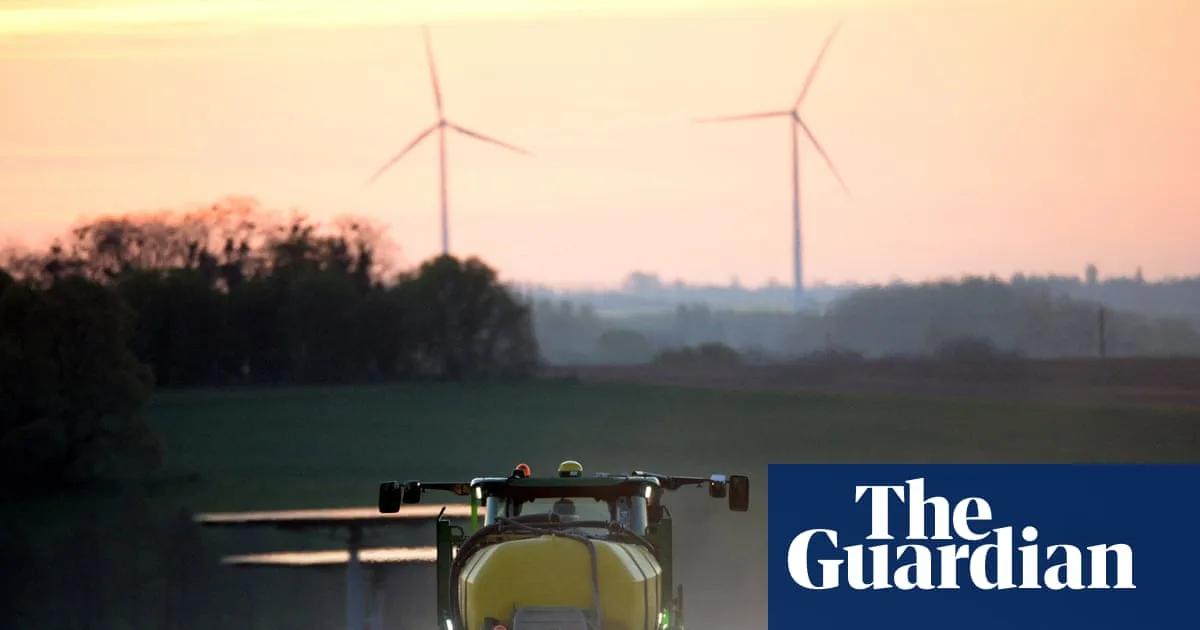
Scottish farmers pioneered the practice of spraying glyphosate on wheat crops in the 1980s, seeking to manage damp conditions in the glens. They discovered that applying the herbicide just before harvest could accelerate the drying process by killing the crop a week or two earlier. This innovative approach quickly spread to other wetter and colder agricultural regions worldwide.
Rising Usage and Regulatory Scrutiny
Four decades later, glyphosate application has expanded dramatically across the United Kingdom. Thousands of tonnes are now used annually not only on farmland but also in municipal green spaces and domestic gardens. However, the safety of this herbicide has become a subject of intense debate. With its licence up for renewal in December, there are growing calls for a ban or severe restrictions.
An analysis of government data reveals that more than 2,200 tonnes of glyphosate were sprayed by farmers in 2024 alone, with over half applied to wheat and other cereal crops. This represents a staggering tenfold increase in usage over the past thirty years. Notably, this high level of application has persisted even after the World Health Organization classified glyphosate as "probably carcinogenic to humans" in 2015. Bayer, the manufacturer, maintains that its herbicides do not cause cancer.
Campaigners Demand Action
Nick Mole of Pesticide Action Network UK, the campaign group that conducted the analysis, stated: "The UK's glyphosate addiction has spiralled out of control. We know that glyphosate has links to a range of cancers and other life-threatening diseases. And that it damages the environment, polluting our waters and harming wildlife. The government urgently needs to commit to phase out – and ultimately ban – glyphosate and support farmers and local councils to adopt safe and sustainable alternatives."
Glyphosate is a full-spectrum herbicide, meaning it kills all weeds, including both grasses and broad-leaf varieties. This makes it an extremely powerful tool for farmers. However, its application in the UK differs significantly from practices in the United States, where genetically modified crops resistant to glyphosate are liberally sprayed during growth.
Agricultural Practices and Environmental Trade-offs
Helen Metcalfe, an agricultural ecologist at Rothamsted Research in Harpenden, Hertfordshire, explained: "The primary use of glyphosate in the UK is it's applied before the crop is planted to kill off all the weeds that are growing in the field." She noted that the shift toward less destructive "regenerative" farming has actually contributed to increased glyphosate use. The alternative would involve ploughing fields to destroy weeds, but this would also damage the soil structure.
"They're trying to protect their soil, trying to prevent erosion, trying to build up carbon in the soil and all that good stuff," Metcalfe added. "To be able to do regenerative farming well you need to apply glyphosate."
Health Risks and Legal Challenges
Despite its agricultural benefits, deploying synthetic chemicals like glyphosate carries significant dangers. In the United States, Bayer has offered $7.25 billion (£5.4 billion) to settle thousands of lawsuits alleging the company failed to warn consumers that Roundup, which contains glyphosate, could cause cancer. In France, the government has acknowledged a link between Parkinson's disease and glyphosate exposure, leading to compensation for affected farmers.
Wayne Carter, an associate professor at the University of Nottingham who studies the biological impact of pesticides, cautioned: "As with most things, essentially, the more you're exposed, the more concern there is. Too much is potentially toxic, so you could be exposed through your diet, you could be exposed to an inhalation route; but also you should be mindful of going out there and slopping it around in your garden, basically."
In 2023, the European Union banned the use of glyphosate in pre-harvest desiccation, reflecting concerns about its accumulation in food products. A UK government spokesperson responded by insisting that glyphosate use is subject to strict regulation, stating: "Pesticides are only approved for use if the evidence shows that they won't harm human or animal health, and won't have unacceptable effects on the environment."
The debate over glyphosate continues to intensify as December's licence renewal approaches, with campaigners, farmers, and regulators grappling with the complex balance between agricultural productivity, environmental sustainability, and public health protection.