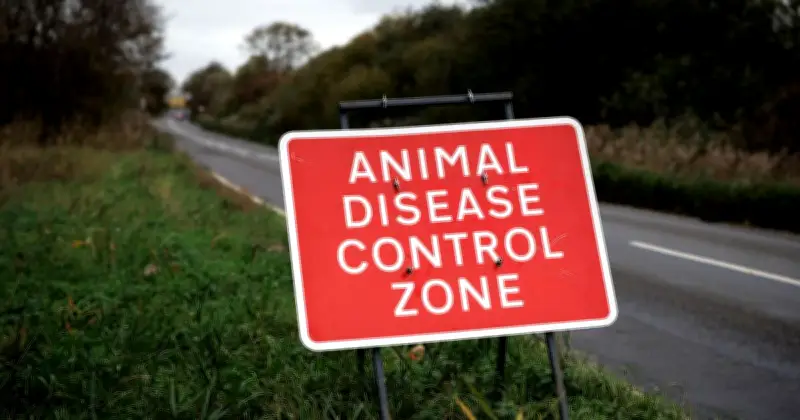
Three new deadly bird flu outbreaks have been confirmed in England in just two days, leading to the culling of thousands of poultry just weeks before the Christmas turkey season. The Department for Environment, Food, and Rural Affairs (DEFRA) now reports 13 outbreaks with protection and surveillance zones in England, and one in Scotland.
The exact type of poultry at the three unnamed sites has not been disclosed, but DEFRA has stated that the birds have been or will all be culled. Around 8 to 10 million turkeys are bought and eaten in the UK each Christmas, with 52% of UK households planning to serve turkey as their main Christmas meal.
DEFRA reassures on Christmas availability
DEFRA has sought to reassure the public that Christmas will not be affected by the outbreaks. The department stated: "Every year the UK produces around 8 million turkeys. We do not currently anticipate any impact overall on the availability of Christmas turkeys or other seasonal poultry for consumers."
The latest outbreak, involving the highly pathogenic avian influenza (HPAI) H5N1 strain, was confirmed in commercial poultry near Wesham, Fylde, Lancashire, on Thursday 26th November. DEFRA said: "A 3km protection zone and a 10km surveillance zone have been declared around the premises. All poultry on the premises will be humanely culled."
Two more outbreaks reported on Wednesday
On Wednesday 25th November, DEFRA reported two additional fresh outbreaks. The first was confirmed in commercial poultry near Frodsham, Cheshire West and Chester, Cheshire, with a 3km protection zone and 10km surveillance zone declared around the premises, and all poultry scheduled for humane culling.
The same day, bird flu was confirmed in commercial poultry near Leominster, Herefordshire. Again, a 3km protection zone and a 10km surveillance zone have been declared, with part of the surveillance zone extending into Wales. All poultry on the premises will be humanely culled.
DEFRA also noted: "In Wales, the general licence for poultry gatherings has been revoked. You must apply for a specific licence to hold a gathering which includes: ducks, geese and swans; turkeys, chickens, quail, partridges and pheasants; and ostriches, emus and rheas."
Control measures and public health advice
Poultry keepers within the UK protection zones must house their birds or keep them isolated from wild birds and birds from other premises, maintain records of visitors and bird movements, and immediately report any signs of disease. Controls have also been placed on the movement of poultry, eggs, manure, and carcasses, while gatherings of birds, such as markets, shows, and exhibitions, in the zones are prohibited.
The UK Health Security Agency (UKHSA) advises that bird flu is primarily a disease of birds and the risk to the general public's health is very low. Similarly, the Food Standards Agency (FSA) has said bird flu poses a very low food safety risk for UK consumers, adding that properly cooked poultry and poultry products, including eggs, are safe to eat.
On November 13, the UK Chief Veterinary Officer issued a mandatory housing order for all of England following increased risk and the escalating number of bird flu confirmations in kept birds and in wild birds. The new measures mean bird keepers across the whole of England must house all poultry and captive birds if they keep 50 or more birds (except in specific circumstances, e.g., some zoo birds) or if they sell or give eggs, poultry products and live birds away.
An England-wide Avian Influenza Prevention Zone (AIPZ) with mandatory biosecurity measures has also been declared. This requires all keepers - whether they have pet birds, commercial flocks or just a few birds in a backyard flock - to undertake enhanced biosecurity measures to mitigate the risk of further disease outbreaks.
DEFRA added: "These enhanced biosecurity measures include reporting of changes in egg production, mandatory record keeping, disinfecting footwear, and cleansing & disinfecting housing and concrete walkways regularly. All bird keepers in England, whether they have pet birds, commercial flocks or just a few birds in a backyard flock, must cleanse and disinfect clothing, footwear, equipment and vehicles before and after contact with poultry and captive birds– if practical, use disposable protective clothing."
UK Chief Veterinary Officer Christine Middlemiss said: "Bird keepers are urged to comply with the housing measures and to exercise robust biosecurity, remaining alert for any signs of disease and reporting suspected disease immediately to the Animal and Plant Health Agency. Having avian influenza confirmed in your flock can be devastating. I understand the impact this disease can have on the poultry sector and am extremely grateful for the continued cooperation of the industry."