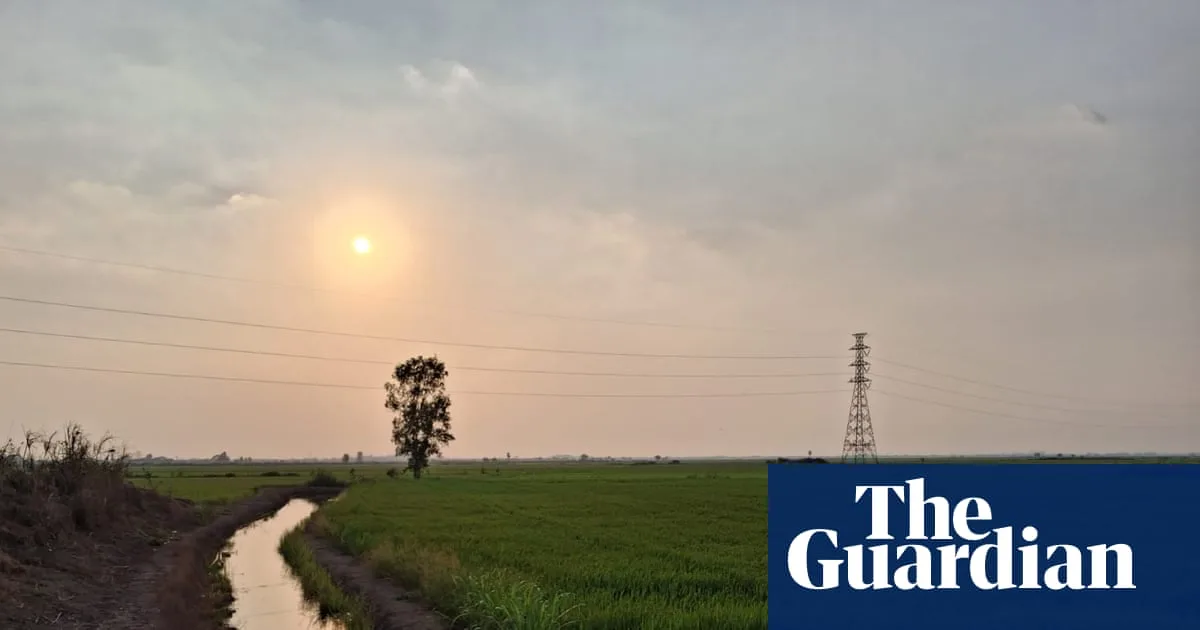
Thanadet Traiyot, a rice farmer in Ayutthaya, central Thailand, has been unable to secure enough diesel for his water pumps after petrol stations ran dry. He spent hours queuing only to be told supplies had ended, and days later he still cannot restore normal fuel levels. 'It’s affecting us a lot as farmers because we rely on fuel for our operations,' he said, pointing out that the price has soared since the US-Israel war on Iran.
The crisis has disrupted farmers and fishers across Thailand, a major exporter of rice, sugar, and processed fish. Long queues and 'out of stock' signs are common, while taxis have reduced services from Bangkok’s airport and some temples have halted cremations. A fisher group warned the multi-billion dollar industry could grind to a halt within days without government support.
Diesel prices rose to 38.94 baht per litre after government subsidies ended on Thursday, up from 29.94 baht before the war. Pairote Rodpai, a farmer, fears costs will climb further during harvesting, which consumes more fuel. The Thai Agriculturist Association president Pramote Charoensilp warned that fertiliser imports from the Middle East could worsen the situation in May, pushing prices even higher if the conflict persists.
The UN’s Food and Agriculture Organisation has warned of a 'major shock' to global food systems, as fertiliser supply chains lack strategic reserves. The World Food Programme predicts acute hunger could affect a record 363 million people by 2026 if the war continues. In neighbouring Myanmar, food production costs could double, adding to the 25% of the population already facing acute hunger.