Prevent Wasp Invasions This Spring with a Simple Household Item
As April arrives, homeowners are being urged to take immediate action to stop wasps from invading their properties. This month represents a critical window when queen wasps emerge from hibernation and begin building new nests, making it the ideal time to implement preventative measures.
The April Wasp Threat
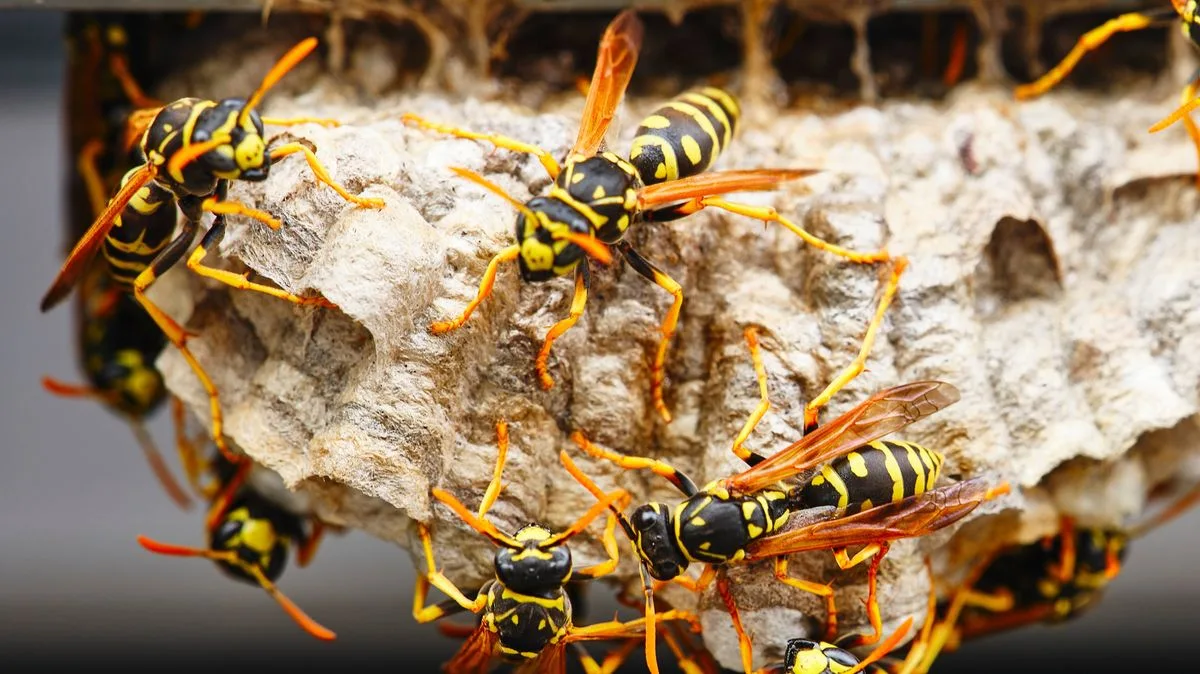
Queen wasps become particularly active during April as they establish new colonies following their winter dormancy. These early nests are typically small, often comparable in size to a golf ball, and they tend to be constructed in sheltered locations such as lofts, eaves, garden sheds, or wall cavities.
Worker wasps generally don't take control until May or June, but allowing nests to establish in April can lead to significant infestations later in the season. Taking proactive steps now can prevent the need to deal with aggressive swarms during the summer months.
The Unlikely Wasp Deterrent
Gardening expert Ish, known online as Gardening With Ish, has revealed a surprisingly simple method to keep wasps away from your property. The technique requires just one common household item that most people already possess.
"If you want to prevent wasps from making a nest in your home, your shed, your garage or even your garden then this is going to blow your mind," Ish explained in a recent social media post. "All I've got is a plastic bag and some string."
Creating the Fake Wasp Nest
The method involves transforming an ordinary plastic bag into what appears to be an existing wasp nest. Here's how to create this effective deterrent:
- Take a standard plastic bag (a bin bag works particularly well)
- Fold the top of the bag repeatedly into one corner to create a pointed shape
- Make a small hole at the top of the pointed section
- Thread string through the hole and tie it securely
- Hang the bag where it can move slightly in the breeze
This creates what wasps perceive as another colony's territory, causing them to avoid the area entirely. Wasps are highly territorial creatures, which explains their aggressive behavior when they feel their space is threatened.
Why This Method Works
The fake nest technique leverages wasps' natural territorial instincts. When wasps encounter what they believe to be an established nest, they instinctively avoid the area to prevent conflicts with other colonies. This doesn't stop wasps from nesting altogether, but it encourages them to establish their colonies elsewhere, away from your immediate living spaces.
According to Ish, this approach offers multiple benefits. It keeps wasps from swarming around decks, patios, sheds, and garages while still allowing them to visit gardens for pollination purposes. The method essentially creates a buffer zone that wasps will respect without completely eliminating their beneficial pollinating activities.
Optimal Placement and Timing
Spring represents the perfect time to implement this deterrent strategy. Hanging the fake nests from trees or positioning them near porches, sheds, and other potential nesting sites during April can prevent colonies from establishing in the first place.
While this method may not deter every wasp species equally, it is widely regarded as remarkably effective for most common varieties. The simplicity of using readily available materials makes it an accessible solution for homeowners seeking to protect their outdoor spaces.
This preventative approach offers a humane alternative to chemical pesticides while addressing the problem before it escalates into a full-scale infestation that requires professional intervention later in the season.