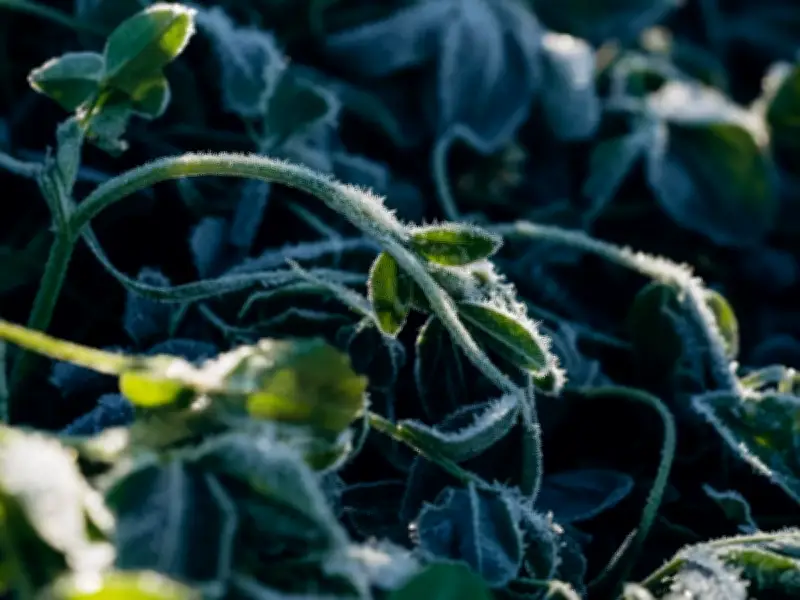
As temperatures are forecast to fall below zero in parts of the UK, a gardening specialist has shared advice to help keep vulnerable plants alive until spring. Established plants may cope, but delicate varieties, recently planted shrubs, and container-grown plants are all at risk.
Protecting container plants from frost
Pim Dickson, Senior Horticulturist at plant and seed supplier Fothergill's, says potted plants are often more vulnerable than those in the ground. "Container-grown plants are often more vulnerable to frost than those planted directly into the ground because their roots have less insulation from the surrounding soil," he explains.
He recommends relocating pots where possible. Smaller pots can be moved to protected spots such as against a house wall, inside a greenhouse, or on a porch. For larger pots, he suggests wrapping the exterior of the container in hessian or straw to insulate the roots.
Insulating roots and covering plants
Ensure drainage holes remain unblocked, as waterlogged compost can increase the risk of root damage in cold weather. The primary way to prevent this is to ensure water can drain away.
Dickson also advises covering delicate plants before temperatures drop further. "One of the simplest ways to protect tender plants is to use horticultural fleece," he says, noting it creates an insulating layer that reduces exposure to cold winds or frost. If fleece is unavailable, an old lightweight bedsheet or similar breathable fabric can be used overnight, but plastic sheeting should not be placed directly against foliage as it can trap moisture.
When conditions permit, coverings should be removed during daylight hours and replaced each evening as temperatures decline.
Mulching and delaying pruning
Another suggestion is to add a layer of organic mulch, such as well-rotted garden compost or leaf mould, around the base of vulnerable plants. This helps minimise fluctuations in soil temperature and insulates the roots. Focus on young shrubs and herbaceous perennials.
Finally, he advises holding off on hasty tidying up, even when plants appear wilted, brown, or blackened after frost. "Frost damage can look dramatic, but the foliage may be affected while the roots and lower stems remain healthy," he explains. Leaving some damaged foliage in place can provide protection against further cold spells. Once the worst of the wintry weather has passed, you can assess the plant and determine what needs to be cut back.