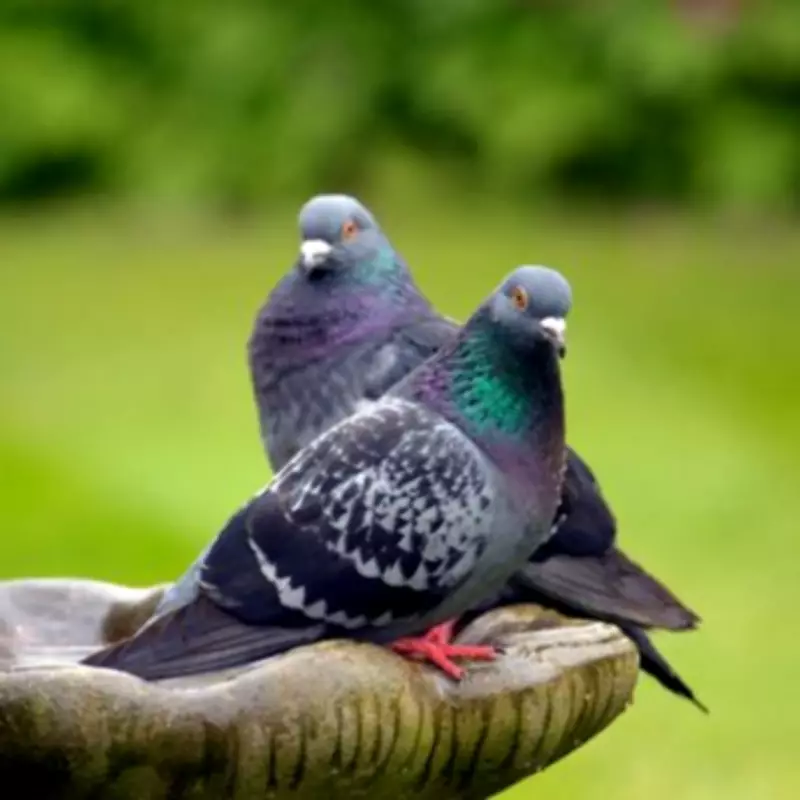
Simple Solution to Deter Pigeons from Your Garden
Pigeons may appear harmless, but they can become a significant nuisance for gardeners across the UK. These sociable birds often travel in large flocks, relentlessly pecking at plants and flowers as they forage. During spring, pigeons are particularly destructive, searching for seeds while leaving behind droppings that can ruin any surviving crops.
Why Pigeons Dominate Gardens
Being considerably larger than most British garden birds, pigeons frequently intimidate popular visitors like robins, blackbirds, and goldfinches. Their size and aggressive behavior often drive these smaller, more desirable birds away from feeders and garden areas entirely. What makes shifting pigeons particularly challenging is their familiarity with human presence and their resilience against typical deterrents such as noise devices or ultraviolet repellents.
Gemma Sharp from Garden Wildlife Direct explains: "Bird food is a main attraction to pigeons, and as 'bully birds,' they won't play nicely with others that try to visit your feeder once they've claimed it. Naturally, this drives away the exciting garden birds that you want to see."

The One Simple Change to Make
The most straightforward solution, according to experts, is simply to stop leaving out foods that pigeons absolutely love. Throughout history, pigeons have feasted on wheat and barley cultivated by humans, making them instinctively drawn to these grains as reliable food sources. This is precisely why gardeners should avoid leaving bread or cheap bird seeds containing corn in their gardens, as these items only encourage pigeon visits.
Sharp adds: "Wheat-free foods deter pigeons and other larger birds like pheasants, whereas mixes which are seed-dense ensure smaller birds get a chance to eat. Other foods pigeons don't like include peanuts in the shell, suet, and mealworms."
Alternative Foods That Work Better
Smaller garden birds show little interest in grains, preferring instead fatty foods and insects that hold far less appeal for pigeons. By switching to sunflower seeds, nyjer seeds, crushed peanuts, or mealworms, gardeners can significantly reduce pigeons' incentive to visit. These alternatives provide excellent nutrition for desirable birds while making gardens less attractive to problematic pigeons.
Additional Strategies for Pigeon Control
Since pigeons are rather clumsy creatures, investing in caged or weight-sensitive bird feeders proves worthwhile, as these designs prevent larger birds from accessing the food. It's also important to note that pigeons primarily feed on the ground, so regularly clearing up any spilt seeds beneath feeders and placing nets around prized plants can further discourage their presence.
Once pigeons can no longer find convenient food sources, they'll swiftly relocate elsewhere. This approach not only solves the pigeon problem but also helps entice smaller, more desirable birds to continue frequenting your garden. The key is consistency in both food selection and garden maintenance to create an environment that welcomes the birds you want while discouraging those you don't.