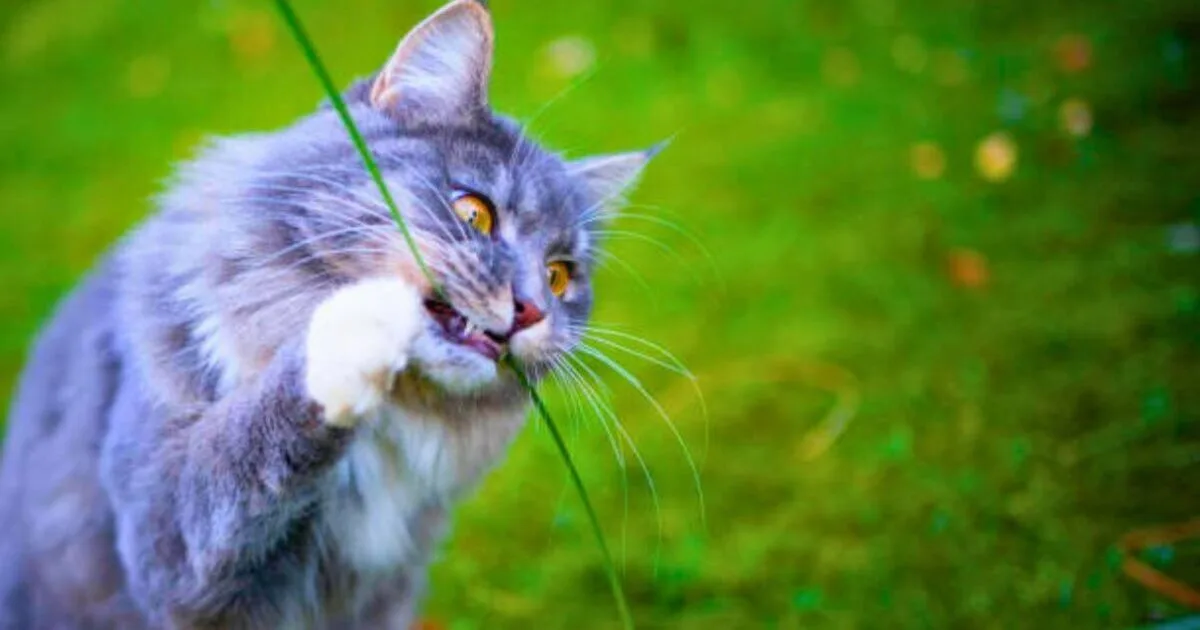
For many British homeowners, cats represent a significant nuisance when they choose gardens as their preferred toilet spot, whether they are stray, feral, or belong to neighbours. This behaviour can lead to a host of issues that disrupt outdoor enjoyment and garden maintenance.
The Problems Caused by Cats in Gardens
Cats fouling in gardens creates multiple challenges for residents. Firstly, the pungent odour from cat waste makes it deeply unpleasant to spend time in outdoor spaces, affecting leisure activities and relaxation. Hygiene concerns are also paramount, as cat faeces can harbour parasites and pathogens, posing health risks to humans and other animals if not properly managed or removed.
Additionally, cats scratching and defecating in flower beds can wreak havoc on plants, potentially stunting their growth or killing them entirely. The visual impact of cat mess and churned-up soil can seriously diminish a garden's aesthetic appeal, undermining efforts to maintain a tidy and attractive landscape.
Expert-Recommended Natural Solutions
To tackle this pervasive issue, specialists at garden retailer Primrose suggest creating a homemade cat deterrent that leverages powerful fragrances. Cats possess a sense of smell that is 40 times more powerful than humans, making scented solutions particularly effective in repelling them.
The Homemade Spray Recipe
The experts advise making a DIY spray using three ingredients that cats detest: lemon juice, rosemary, and white vinegar. For this mixture, combine equal quantities of these components and transfer the liquid into a spray bottle for convenient application throughout the garden.
Simply spritz the solution wherever cats tend to lounge, such as around plant pots, on patios, or even indoors. It is crucial to reapply the spray regularly to maintain its potency and ensure ongoing protection against feline intrusions.
Alternative Natural Methods
Another organic approach recommended by specialists involves placing sandpaper throughout the garden. Felines have remarkably delicate paws and will steer clear of unpleasant textures like sandpaper. The experts explained that positioning a few pieces of sandpaper around flowerbeds should keep cats from clambering where they are not welcome.
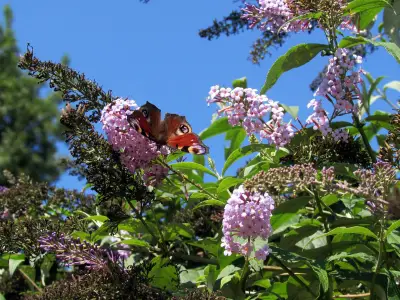
For those keen to preserve their garden's pristine and organic appearance, cultivating specific cat-repelling plants can prove effective. Primrose highlights rosemary, lavender, and the scaredy cat plant as their top three choices for deterring cats naturally.
By implementing these strategies, homeowners can address the nuisance of cats fouling in gardens while maintaining an environmentally friendly approach. These methods offer practical, non-harmful ways to protect outdoor spaces from unwanted feline visitors.