South African Farmers Grapple with Fuel Shortages and Soaring Costs Ahead of Critical Harvest
Farmers across South Africa are confronting a severe financial and logistical challenge as they prepare for the upcoming harvest season, with escalating fuel prices and dwindling supplies threatening their operations. This crisis is largely attributed to the ongoing US-Israeli war against Iran, which is disrupting key global energy transit routes, including the strategic Strait of Hormuz.
Farmers Report Dire Fuel Shortages Despite Government Assurances
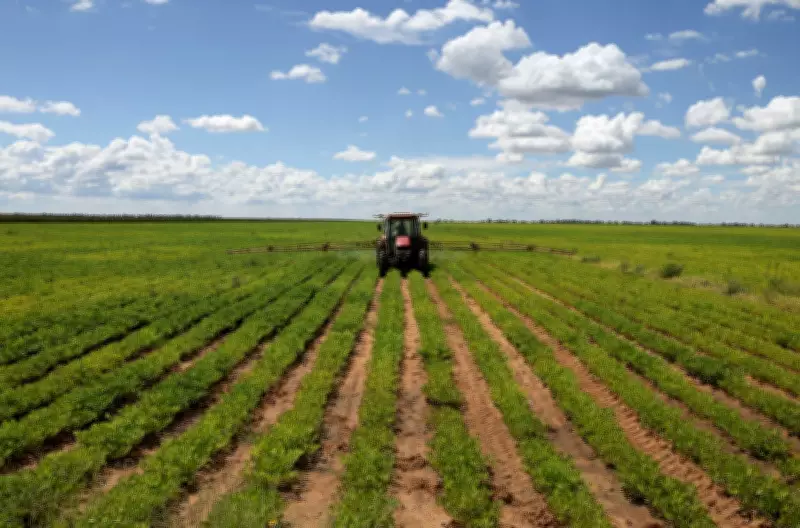
Derek Mathews, a 64-year-old farmer operating a 1,700-hectare arable farm in North West Province, exemplifies the widespread struggle. He recently expressed his concerns to Reuters, stating, "It's terribly expensive to buy fuel at the moment, but the question I need to answer right now is can I get fuel?" His predicament highlights the dual burden of exorbitant costs and limited availability that is crippling agricultural activities nationwide.
Despite reassurances from South African government officials and fuel industry executives that national stocks are sufficient for April, many farmers are experiencing a starkly different reality. Suppliers are reportedly struggling to meet heightened demand due to logistical constraints and instances of diesel hoarding, exacerbating the shortage.

Quantifying the Crisis: From Fuel Reserves to Financial Strain
Mr Mathews, who produces maize, sunflowers, dry beans, and peanuts, acquired 20,000 litres of diesel in February. By 30 March, only 12,000 litres remained—a mere six days' worth of fuel as he gears up to harvest his sunflower and maize crops. His situation is not isolated. A March survey by the agricultural body AgriSA revealed that just under half of the farmers surveyed faced significant difficulties in sourcing diesel, with others managing only inadequate purchases ranging from 50 to 500 litres.
Johann Kotze, CEO of AgriSA, commented on the pervasive uncertainty, saying, "It's the uncertainty that keeps you awake," and noted that disinformation about fuel supplies has triggered panic buying among farmers. Mathews attempted to secure more diesel in March, but by then, prices had surged to 24 rand per litre, and his supplier has yet to deliver the order.
Government Intervention and Market Realities
In response to the crisis, the South African government announced on Tuesday a temporary measure to cushion sharp fuel price hikes by lowering the general fuel levy by 3 rand for April. However, diesel prices are not strictly regulated in the country, and the latest fuel adjustment indicates that diesel wholesale prices will rise by up to 7.51 rand per litre on 1 April, reaching just under 26 rand. Petrol prices are also set to increase by 3.06 rand per litre.
Wandile Sihlobo, chief economist at the Agricultural Business Chamber of South Africa, provided a glimmer of hope during a Citibank client call on 25 March, stating, "South Africa had a favourable agricultural season and has ample supplies that should contain excessive price increases." This suggests that, for now, the country has sufficient crop production to mitigate significant spikes in food prices.
Long-Term Concerns and the Impact of Global Conflict
Despite this, farmers like Mathews remain deeply apprehensive about the future. He warned, "If fuel prices remain at these elevated levels, with already depleted profit margins it doesn't make any financial sense at all to grow maize," referring to a staple food in South Africa. His fear is that a prolonged rise in fuel prices, driven by the Middle East conflict, could undermine agricultural sustainability and profitability.
The situation underscores a broader global trend, as farmers worldwide face similar financial strains from rising fuel and fertiliser costs. The war in Iran continues to cast a long shadow over energy markets, with South African farmers left to navigate the immediate challenges of securing fuel for their harvests while bracing for potential long-term economic repercussions.