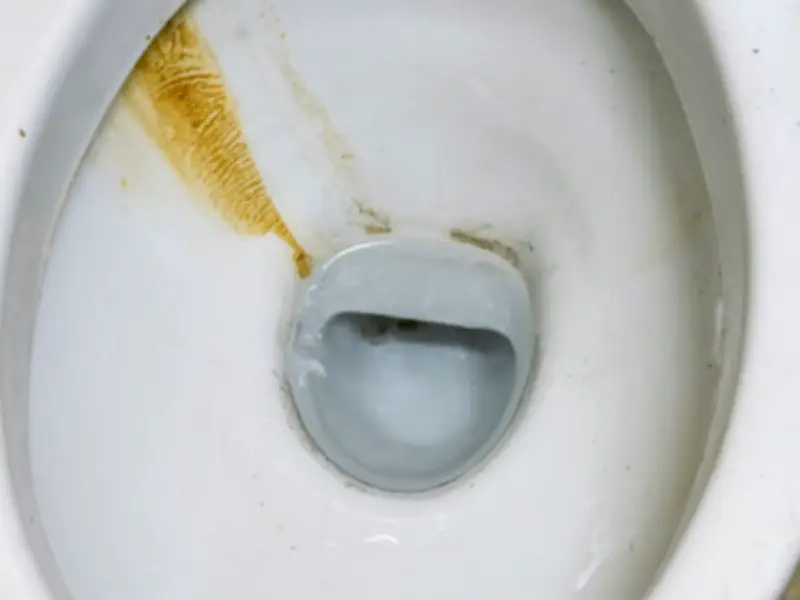
Toilets plagued by limescale or stubborn stains can be tricky to restore, making regular cleaning crucial to maintain a hygienic, fresh-smelling bathroom. A cleaning expert speaking to Which? revealed one straightforward task that can help keep your loo sparkling with minimum fuss.
Simple Task Prevents Stains and Limescale
Doing it regularly can prevent stains and limescale from accumulating, reducing the need for intensive scrubbing down the line. Delia Cannings, a cleaning specialist at the British Cleaning Council, told the consumer watchdog: "It's the throne everybody has to sit on, so you've absolutely no choice – you need to clean it regularly."
How to Clean Your Toilet
The expert suggests beginning by flushing the toilet to wash away any debris and give yourself a clearer view of the bowl. Always shut the lid before flushing to help prevent a "toilet plume."
The next step is one that many households skip, but it's crucial to maintaining a toilet free from limescale and persistent stains. Use your toilet brush to push the water further down the bowl, revealing the waterline where mineral deposits are most prone to accumulating.
This allows you to apply your toilet cleaner around this newly exposed section. Leave it to sit for the suggested duration, which helps to break down grime and limescale before you begin scrubbing.
Once the cleaner has had sufficient time to work, scrub the interior of the bowl thoroughly with the toilet brush, concentrating especially on the waterline and beneath the rim. Finally, flush the toilet once more with the lid closed to wash away any remaining cleaner, leaving the bowl gleaming.
How to Remove Limescale and Rust Stains
When it comes to limescale, Delia advised: "You need to use a descaler periodically, maybe once every three months, although the frequency will depend on how hard your water is."
Rust-coloured stains are another widespread issue in toilets. These are frequently caused by high iron levels in the water supply, though ageing or corroded pipes can also be responsible for releasing iron into the water.
Delia explained: "You'll need an acid-based cleaner for this kind of staining – bleach won't affect it much. You could use a rust remover, such as CLR (which stands for Calcium Lime Remover), or vinegar – the kind for cleaning, rather than eating – is a good option. Fresh lemon juice may also work, and it smells good too."