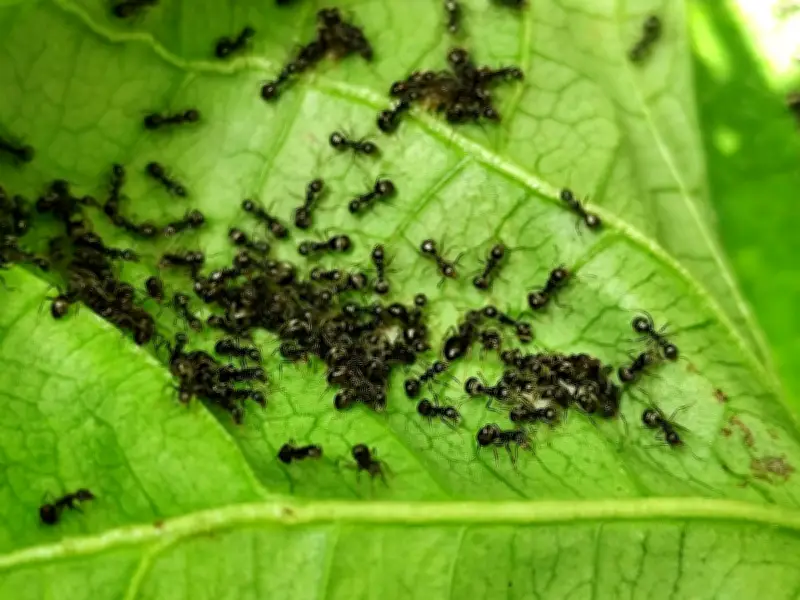
Gardener Jonny Hincks has shared a simple trick for getting rid of ants in your garden this summer. Appearing as a guest on the RHS Roots YouTube channel with host Jo Whiley, Hincks gave viewers a tour of his stunning Warwickshire garden. After admiring his immaculate lawn, Jo asked what was the "worst thing" that could happen to it.
The terracotta pot method
"I can't imagine you get mould here," she added while looking over the garden. "I don't have mould, I get a few ants," Jonny replied, prompting Jo to admit: "I have a big issue with ant hills." Sharing his method for tackling the problem, Jonny explained: "So, what I do is, I have a terracotta pot and I turn it upside down and I put it over the actual mound itself. Now, the heat and the lack of sunlight causes the ants to build the nest higher."
He continued: "Leave it for a few days and the heat, especially with this heat we've got at the minute, the heat draws the nest up. Take the terracotta pot off and then you can literally just shovel up the ants nest and move it somewhere else."
Common ant species in the UK
The most common ant species found in the UK is the black garden ant (Lasius niger). These ants typically nest beneath paving slabs, in soil, flower pots, compost heaps and around the edges of lawns. They are harmless to people and do not sting. Another common species is the yellow meadow ant (Lasius flavus). It builds small earth mounds in lawns and, because of its yellowing colouring, is sometimes mistaken for a red ant. Like the black garden ant, it is completely harmless, according to Gardeners' World.
Additional tips from Gardeners' World
The gardening website says there are several ways to discourage ants from nesting in plant pots if they're affecting your plants, starting with regular watering. It explains: "Move on ants, by watering soil and pots regularly. Avoid completely flooding the pot, as this can kill the ants. But regular watering will let them know that the plant pot isn't the best place to make a nest – as they do best in dry environments – so they will move their eggs elsewhere."
Gardeners' World also recommends companion planting, stating: "Wormwood, Artemisia absinthium, is a strongly scented herb that can deter aphids, reducing food sources for ants. Lavender plants can be a great option too, as the scent repels ants."