Shetland Council Approves UK's Largest Salmon Farm Despite Local Opposition
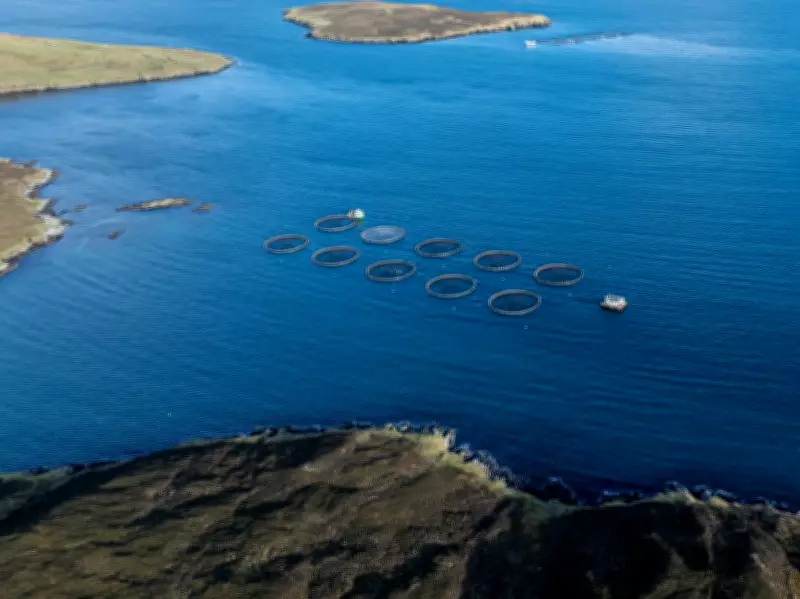
Plans for the United Kingdom's largest-ever salmon farm have been given the green light by the Shetland Islands council, intensifying a long-standing conflict between the aquaculture industry and local fishing communities. The new facility, located next to Fish Holm off Shetland's east coast, will be operated by Norwegian-owned Scottish Sea Farms (SSF) and is set to hold up to 6,000 tonnes of salmon.
Fishers Fear for Their Future
At Collafirth in north Shetland, scallop fisherman Sydney Johnson voices the concerns of many islanders. After a ten-hour shift on his boat, the Golden Shore, Johnson worries that the new farm will jeopardise the livelihoods of fishers like himself and his two sons. "They say it's just one farm," Johnson remarks. "But it's one farm more. There's only so much water and we're at saturation point."
Johnson and others have long relied on the area around Fish Holm as one of Shetland's most productive scallop beds. The Shetland Fishermen's Association (SFA), representing 450 members, argues that SSF has not adequately considered the environmental impacts on fish and shellfish nursery grounds. Johnson dismisses SSF's consultation claims that the site yields only £500 worth of scallops per vessel annually as "laughable," citing catches worth up to four times that amount in a single day.

A New Era for Aquaculture
SSF describes the Fish Holm project as marking a "new era" in aquaculture. The company plans to build twelve pens, each 160 metres in circumference, in deeper "high-energy" waters with stronger tidal flows. This approach, SSF claims, will help reduce sea lice infestations, disperse waste more effectively, and maintain healthier fish populations. The farm will consolidate some existing sites into one larger operation, with SSF vacating the Collafirth 3 site as part of the expansion.
Karyn Lumsden, SSF's head of communications, states that the company is committed to "coexisting with other marine users while delivering long-term benefits for the islands." She adds that one larger farm can reduce overall seabed impact compared to several smaller farms producing the same volume of fish. SSF employs nearly 300 people in Shetland, making it the islands' biggest employer after the council, and has donated over £300,000 to local causes.
Environmental and Regulatory Concerns
The approval comes amid growing scrutiny of the salmon farming industry's environmental and welfare record. Scottish farmed salmon production has increased by 23% over the past six years, reaching 192,000 tonnes in 2024. However, survival rates have plummeted, with the latest data showing only 61.8% of fish surviving to harvest—the lowest rate since the 1980s. In October alone, more than 250,000 salmon died unexpectedly in Shetland's farms, attributed by companies to plankton blooms and jellyfish in warm weather.
The Scottish Parliament's rural affairs and islands committee has criticised the government's "slow progress" on regulating the industry and called for stricter rules and greater transparency. Committee convener Finlay Carson warned in January 2025 that if no progress is made within twelve months, the committee would consider a moratorium on industry expansion. Conservative MSP Edward Mountain, who convened the first parliamentary inquiry into salmon farming in 2018, now says he would vote for such a moratorium, citing ongoing high mortality rates.
Industry Expansion and Local Division
Shetland is viewed as a new frontier for aquaculture, with SSF planning to open another large farm in May and assessing seven additional sites. The Canadian-owned company Cooke Scotland has also filed an application for a farm off Vementry in western Shetland. Most of Shetland's once family-run salmon farms are now controlled by Norwegian and Canadian multinationals, producing 38,000 tonnes of salmon worth £174 million in 2024—about one-fifth of Scotland's total output.
Nick Underdown, Scotland director at the environmental charity WildFish, calls the Fish Holm approval an "unprecedented expansion of industrial salmon farming that carries significant environmental risk." He notes that salmon farming is "costing our marine environment, while foreign-owned salmon farm companies shift their profits to Norway, the Faroes and Canada."

Community Weighs Costs and Benefits
Local residents are divided over the farm's impact. Retired engineer William Cooper from Mossbank, which overlooks Fish Holm, acknowledges that SSF is a major employer offering good wages. However, he admits the controversy has changed his perception of the industry. "The peerie [small] boats are heritage—how it's always been done," Cooper reflects. "For Shetland to be known for just producing millions of salmon would be quite sad really."
As the industry awaits a crucial session with Holyrood's rural affairs and islands committee on 25 February, the debate over balancing economic benefits with environmental sustainability and traditional livelihoods continues to simmer in Shetland's waters.