Unveiling the Mysteries: Puffin Beaks and Velcro in Kids' Science Quiz
In a delightful exploration of natural wonders and everyday marvels, a recent kids' quiz has captured young minds with questions about puffin beaks and Velcro. This engaging educational tool not only entertains but also sparks curiosity, making science accessible and fun for children. By delving into these topics, kids learn about biology and physics in a way that feels like play, fostering a lifelong love for learning.
The Striking Stripes of Puffin Beaks
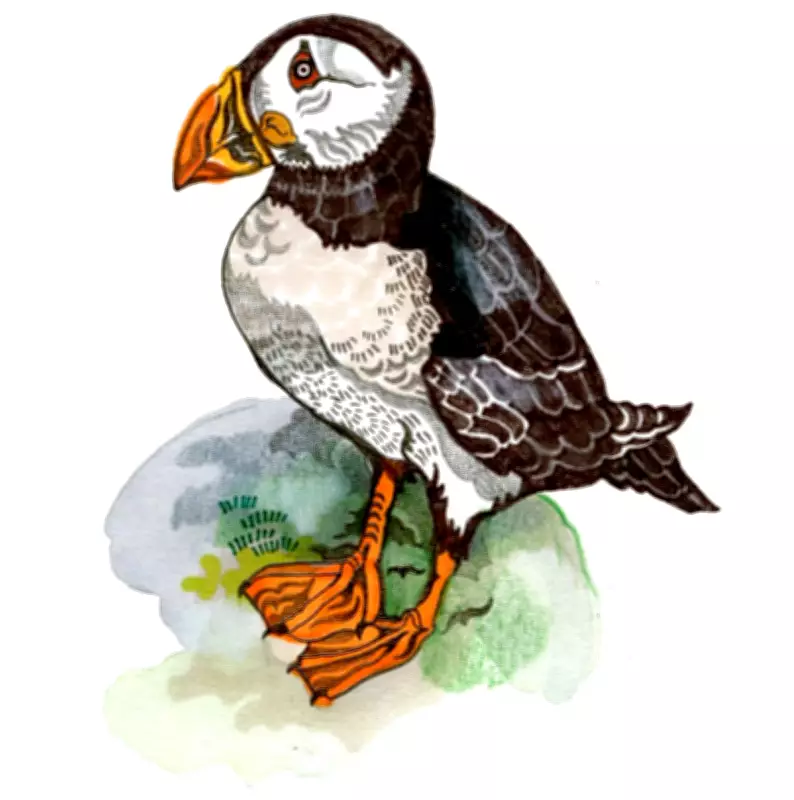
Puffins, those charming seabirds often spotted in coastal regions, are renowned for their brightly coloured, striped beaks. These beaks serve multiple purposes beyond mere aesthetics. During the breeding season, the stripes become more vibrant, playing a crucial role in attracting mates. The beak's structure is also adapted for catching fish, with serrated edges that help puffins hold onto slippery prey. This adaptation showcases evolution in action, as puffins have developed these features to thrive in their marine environments.
Interestingly, the stripes on puffin beaks are not just for show; they can indicate the bird's health and age, providing insights into their life cycle. By understanding these details, children gain a deeper appreciation for wildlife and the intricate ways animals adapt to their habitats. This knowledge encourages environmental stewardship from a young age.

How Velcro Sticks: A Lesson in Simple Mechanics
Turning from nature to human innovation, the quiz also explores how Velcro works. Velcro, a ubiquitous fastening system, operates on a simple yet ingenious principle inspired by burrs sticking to clothing. It consists of two strips: one with tiny hooks and the other with loops. When pressed together, the hooks catch onto the loops, creating a strong bond that can be easily pulled apart. This mechanism demonstrates basic physics concepts like friction and adhesion in a tangible way.
For kids, learning about Velcro demystifies everyday objects, showing how science underpins common technologies. It highlights the creativity behind inventions, as Velcro was developed by observing natural phenomena and applying those observations to solve practical problems. This connection between nature and technology can inspire young inventors to think creatively about the world around them.
The Educational Value of Science Quizzes for Children
Quizzes like this one are more than just a pastime; they are powerful educational tools. By presenting facts in a quiz format, children are engaged through interactive learning, which enhances retention and understanding. Questions about puffin beaks and Velcro encourage critical thinking, as kids must recall information and make connections between different scientific concepts.
Moreover, such quizzes promote a broad interest in science, covering topics from biology to engineering. They help build foundational knowledge that can support future studies in STEM fields. Parents and educators can use these quizzes to supplement formal education, making learning a collaborative and enjoyable experience at home or in the classroom.
In summary, this kids' quiz on puffin beaks and Velcro offers a fun gateway into science, blending natural history with technological innovation. By answering these questions, children not only learn specific facts but also develop a curiosity-driven approach to exploring the world. As they grow, this early exposure to science can pave the way for a more informed and inquisitive generation.