Taming the Butterfly Bush: Prune Buddleja Now for a Neater Garden
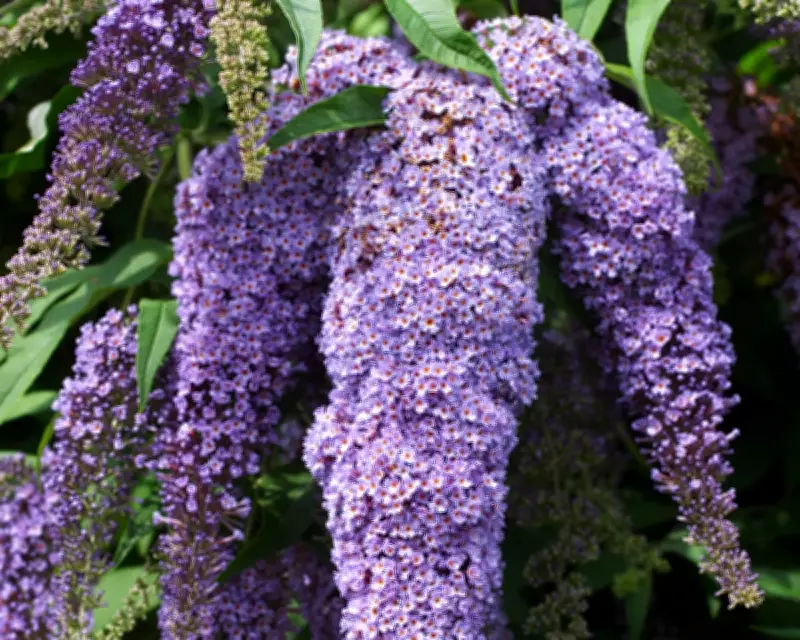
There is a 'romantic unruliness' to buddleja, often known as the butterfly bush, that can quickly turn from charming to overwhelming in any garden. This sprawling purple shrub, with its tenacious growth, has a way of taking over spaces if left unchecked. For many gardeners, including those with new plots or established borders, managing buddleja is a seasonal task that requires timely action.
The Challenge of an Overgrown Buddleja
In a recent gardening project, a buddleja the size of a van dominated a new garden, overshadowing a beautiful south-facing wall and limiting plans for a children's horticultural den. Despite a fondness for these plants—admired for their vibrant blooms that colour railway lines, urban stations, and rooftops—their unchecked growth can become mildly threatening. The shrub's footprint rivaled that of an average city courtyard garden, highlighting the need for intervention.
Unpruned buddlejas often develop a scraggly appearance, with tall branches that produce more leaves and stems than flowers. This not only detracts from the garden's aesthetics but also reduces the plant's benefit to pollinators like butterflies. However, with proper care, buddlejas can be transformed into neater, more floriferous specimens.

Why Pruning Now Is Crucial
Now is an ideal time to take charge of your buddlejas. Cutting them back hard between late winter and early April encourages a tidier shape and promotes an abundance of purple blooms. This timing is particularly important for the most common variety, Buddleja davidii, which responds well to severe pruning.
For Buddleja davidii, gardeners should not hesitate to be brutal. Using loppers or a pruning saw—secateurs are not recommended as they can be damaged—cut the stems right back to the first shoot, even if this means reducing them to just a few centimetres above the ground. Ensuring tools are clean and sharp is essential for a clean cut and plant health.
It's worth noting that not all buddlejas follow the same pruning schedule. For example, Buddleja alternifolia should be pruned in midsummer to avoid losing flowers that develop on last year's stems. Always check the specific variety before proceeding.
Benefits of Timely Pruning
By pruning now, gardeners can enjoy several rewards. A neater shape makes the plant more manageable and visually appealing, while increased flower production provides a burst of colour in late summer. This is not only good for the garden's beauty but also supports pollinators, contributing to local biodiversity.
Additionally, controlling buddleja growth allows other garden elements to shine, such as uncovering old walls or creating space for new plantings like clematis or bulbs. In one case, after professional help from a local gardener, previously hidden plants began to emerge from a sea of green alkanet, bringing new life to the space.
For those with container-friendly varieties like Buddleja x pikei 'Uniqued', pruning helps maintain that pleasing, Oscar the Grouch-like quality without letting it become too unruly. Ultimately, taking action now ensures that buddlejas remain a romantic addition rather than a garden nuisance.