Expert Guide: Optimal Bird Feeder Placement to Attract Birds and Deter Pests
With the arrival of spring and the commencement of nesting season in March, numerous wildlife enthusiasts are preparing to assist their local avian populations. Installing bird feeders stands out as a particularly effective method to support birds during this critical period.
During this time, natural food sources often become scarce, meaning supplementary treats such as nuts, seeds, and suet can provide birds with an essential energy boost. However, after acquiring a bird feeder, determining the ideal location for placement can present a significant challenge. The positioning of your feeder not only influences whether garden birds will visit but also determines the variety of species you are likely to observe.
Strategic Positioning for Bird Safety and Visibility
To ensure birds remain protected while feeding, experts from the retailer Really Wild Bird Food recommend situating your feeder near natural cover, such as trees or bushes, while maintaining a reasonable line of sight from a window.

They explained: "This approach will keep them concealed from predators and sheltered from direct sunlight and harsh weather conditions."
Nevertheless, it is crucial to avoid placing feeders directly adjacent to trees. Such proximity makes it excessively easy for squirrels and other local wildlife to pilfer the bird food.
Window Proximity: Balancing Safety and Observation
You might assume that positioning a bird feeder close to a window is unwise, understandably aiming to prevent birds from accidentally colliding with the glass and sustaining injuries. In reality, situating bird feeders too far from your windows can actually increase the risk, as it allows birds to build up speed before impacting the glass.
Experts advise: "For this reason, we recommend positioning your bird feeder no more than a couple of feet away from the window. That way, if a bird takes off towards your windows or glass doors, it will not be flying fast enough to cause serious harm. Even better, consider placing your feeder directly on the window or windowsill."
Optimal Height and Species-Specific Adjustments
Specialists suggest elevating your bird feeder approximately five feet above the ground. This height facilitates easy refilling and maintenance while simultaneously deterring pets and other wildlife from raiding the food supply.
If certain bird species fail to appear at your feeder, it may be worthwhile to adjust the height or introduce additional feeders at varying levels from the ground. For instance:
- Woodpeckers typically prefer feeding high in the tree canopy, so suspending a feeder between six and ten feet above ground might help attract them.
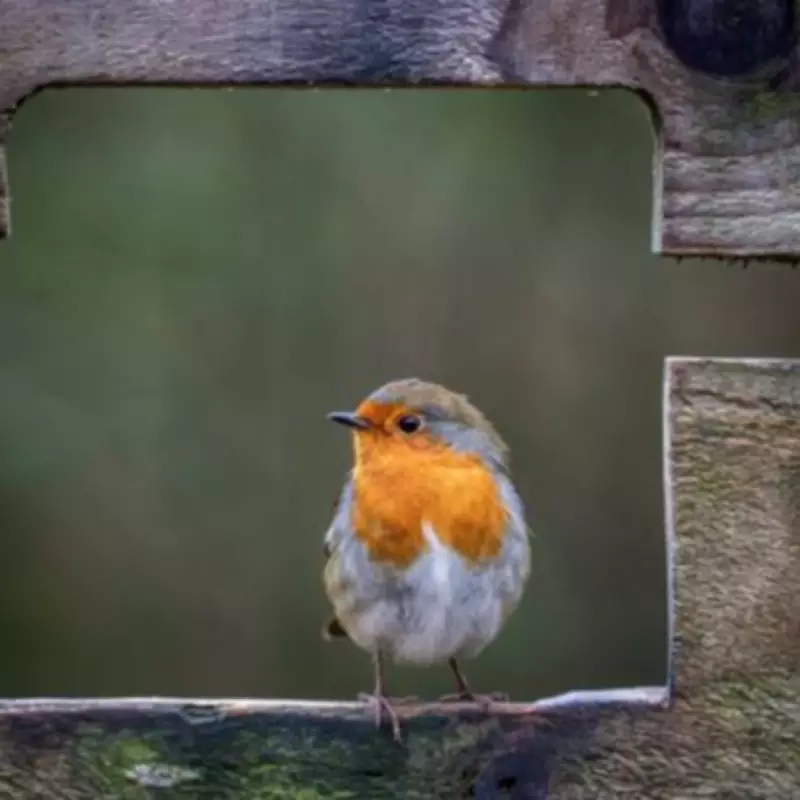
- Other species, such as blackbirds, robins, and chaffinches, often favour eating from ground-level feeders.
By thoughtfully considering these placement strategies, you can create a welcoming environment for a diverse array of birds while minimising disruptions from pests, thereby enhancing your garden's wildlife appeal throughout the nesting season and beyond.