Natural Thorn Barrier Method to Safeguard Gardens from Slugs and Snails
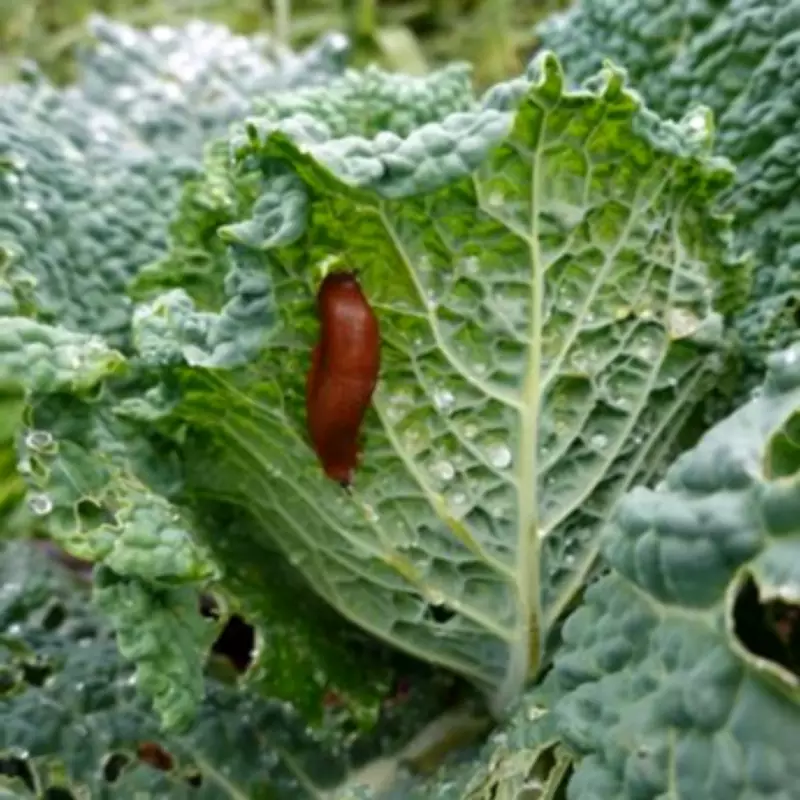
As spring arrives in full force, homeowners across the UK are increasingly dedicating time to their gardens, whether for relaxation or planting new additions. However, this seasonal activity often attracts unwelcome visitors, with slugs and snails posing a significant threat to plants and crops. These tiny creatures can cause extensive damage, particularly to lettuce heads and young seedlings, making them a nightmare for passionate gardeners.
Simon Akeroyd's Innovative Gardening Hack
Gardening expert Simon Akeroyd has unveiled a straightforward and natural solution to mitigate slug and snail damage. In a recent TikTok video, he demonstrated a method that requires just one natural ingredient: thorny twigs. "How to prevent slugs munching your plants," he wrote, highlighting the frustration of discovering plant damage. His approach involves cutting lengths of thorn-covered twigs, such as from roses or brambles, and placing them around the edges of plants.
Simon ventured into a densely planted area of his garden to collect these prickly materials, then cut them into smaller sections to create a protective barrier around potted plants. "Slugs would prefer not to slither over sharp thorns, which reduces the chances of slugs eating your plants," he explained, comparing the setup to barbed wire designed specifically for slugs and snails.

Effectiveness and Limitations of the Thorn Barrier
While this method is not a complete eradication solution, it serves as an effective deterrent. Simon noted that some slugs may already reside in compost or soil, and others might bypass barriers, but the thorny sticks can significantly reduce damage. "To be fair, it won't completely stop slug damage, but it will hopefully reduce the damage," he stated, offering encouragement to fellow gardeners.
Royal Horticultural Society Recommendations for Slug Management
According to the Royal Horticultural Society (RHS), slugs and snails are abundant in gardens, making some level of feeding inevitable. The RHS advises against total elimination, instead promoting focused management to protect vulnerable plants like seedlings and young shoots. Key strategies include:
- Selecting plants that are less appealing to slugs and snails.
- Transplanting robust plantlets grown in pots rather than fragile seedlings.
- Scouting gardens with a torch in the early evening to relocate slugs to less vulnerable areas, such as compost heaps or patches with hardier plants.
- Leaving slugs in open areas to allow natural predators to assist in control.
By integrating Simon Akeroyd's natural thorn barrier with these RHS guidelines, gardeners can adopt a sustainable and eco-friendly approach to managing slug and snail populations, ensuring healthier plants throughout the growing season.