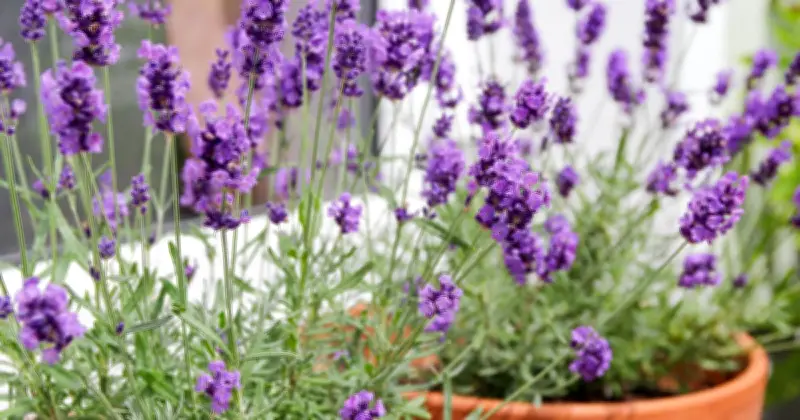
Lavender is a popular plant for UK gardens, prized for its wonderfully fragrant blooms and aromatic foliage that add a splash of colour for several months. It can also deter pests such as cats and rats, making it suited to borders and containers. While relatively easy to grow in sunny positions, lavender requires one annual task to encourage bushy new growth, according to gardening expert Monty Don.
Prune Lavender Annually to Avoid Woody Plants
In a blog post, Monty Don stated: "To avoid woody, leggy plants, lavender should be pruned every year. The best time to do this is as soon as the flowers start to fade, which, depending on the variety, can be any time between midsummer and the end of August." He emphasized not waiting for seed heads to form or flowers to turn brown, as this allows maximum regrowth time before winter.
How to Prune Correctly
The gardening expert recommended cutting back firmly to achieve a neat, compact shape while ensuring some fresh shoots remain on each stem. Lavender often fails to regrow from bare wood, risking total plant loss. Monty added: "These new shoots will grow fast and provide an attractive and healthy cover to protect the plant in winter and provide the basis of next year's display."
Summer Watering Tips
When watering lavender during summer, aim to water generously but infrequently, ensuring adequate drainage. Mature plants generally need less water, especially those in soil, though recently potted varieties require regular moisture. July and August are also ideal for mowing longer grass, thorough watering, propagating strawberry plants, and trimming fruit trees.