Monty Don's Simple Compost Change to Deter Rats from Your Garden
Monty Don: One Compost Change Stops Rats in Your Garden

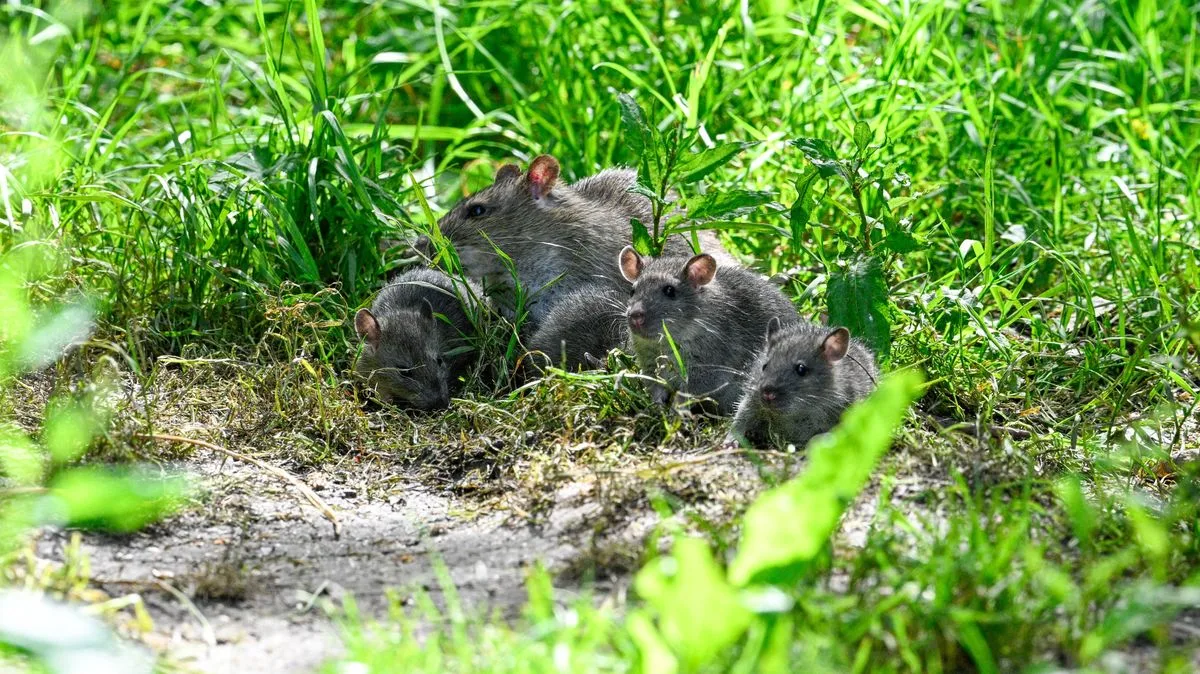
As spring arrives, bringing warmer weather and blooming gardens, it also signals the start of breeding season for rats, leading to increased sightings of these unwelcome rodents in outdoor spaces. The prospect of rats infiltrating gardens and potentially homes is unsettling for many homeowners, but renowned horticultural experts Monty Don and Alan Titchmarsh have identified a straightforward solution to this pervasive problem.

The Compost Connection: Why Rats Love Your Garden

Monty Don, the celebrated gardening authority, has pinpointed compost as the primary magnet drawing rats into domestic gardens. While composting represents an excellent method for recycling kitchen waste and enriching soil health, Don emphasizes that gardeners must exercise careful discretion regarding what materials they incorporate into their compost heaps.

"The real secret of compost is life to soil," explains Monty Don. "Because compost is made by material being digested by bacteria and fungi and nematodes and worms and beetles and bugs, you make it work like a recipe that you know just works and works over time."

Wide Pickt banner — collaborative shopping lists app for Telegram, phone mockup with grocery list

The Critical Composting Mistake

Don's composting philosophy comes with one crucial warning that directly impacts rodent attraction. "Don't add meat, fats or cooked material," he advises specifically. "Particularly cooked starches like potato or rice or pasta."

The gardening expert elaborates on the reasoning behind this restriction: "The main reason for that is not that it won't decompose, because it will in time, but it will do so more slowly. It will attract rodents. You will get rats."

These prohibited food items present multiple problems for compost systems and garden health:

  • They decompose at an extremely slow pace compared to vegetable matter
  • They generate unpleasant odors during the breakdown process
  • They serve as powerful attractants for various rodent species

Alan Titchmarsh's Parallel Warning

Television gardening specialist Alan Titchmarsh corroborates Monty Don's assessment, confirming that compost heaps represent prime real estate for rat populations. "The place they love more than anywhere else in the garden is the compost heap," Titchmarsh states. "Mainly because of the heat generated by all this rotting vegetation."

Titchmarsh echoes Don's specific warnings about compost ingredients, advising gardeners: "Don't put processed food, anything you have cooked, any meat, or any potatoes. Don't do that because it's just an absolute open invitation for rats."

Implementing Effective Rodent Deterrence

Both gardening authorities agree that implementing this single change to composting practices can significantly reduce rat attraction. By restricting compost ingredients to appropriate plant-based materials and avoiding the problematic categories they've identified, gardeners can maintain the benefits of composting while minimizing rodent problems.

The spring breeding season makes this advice particularly timely, as rat populations become more active and visible. Proper compost management serves as a frontline defense against rodent infiltration, protecting both garden ecosystems and household peace of mind.

Pickt after-article banner — collaborative shopping lists app with family illustration