
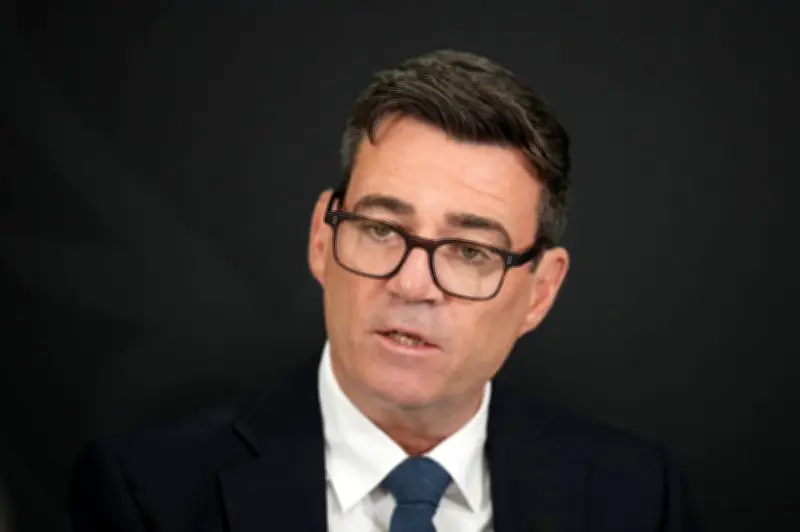
Workers and well-off pensioners in London face bearing the brunt of a possible new levy to tackle Britain’s social care crisis. New Prime Minister Andy Burnham was on Wednesday holding cross-party talks to try to find a solution to the glaring shortcomings in support for people in their old age in the UK.
Funding model details
One funding model, reportedly part of a series of options drawn up by civil servants at the Department for Health and Social Care, would be workers paying into a privately-managed fund to pay for their care in old age. It would be set at 1.8 per cent of earnings above £6,240, according to The Telegraph, paid by people over the age of 34. The funds built up would be invested to use for social care for workers later in life when their cohort reaches old age.
In addition to the general fund, it would be supplemented by wealthier elderly people paying for between 10 and 45% of their own social care costs, depending on their assets. Such a policy would particularly affect London and the South East given the number of well-off pensioners are far greater than in other regions. Salaries are also significantly higher in the capital than in other regions, so a 1.8% flat levy would see Londoners paying more into the fund.
Political reactions
Downing Street insisted on Tuesday that the new Government had “no plans” to impose a 10% levy on all inheritances to fund the social care reforms, as suggested by then Health Secretary Mr Burnham in 2010. Privately-run nursing home chains could be excluded from the social care reforms, according to The Times, to stop taxpayers money being used to bolster their profits. Instead more social care could be provided by community-led services run by local authorities, not-for-profit companies or charities.
Both the Conservatives and the Liberal Democrats accepted the Prime Minister’s invitation “to build that spirit of collaboration from the start” to try to sort the care crisis. But there were already signs of difficulties ahead with Tory leader Kemi Badenoch writing to Mr Burnham to challenge him to rule out tax rises or increased borrowing to pay for social care reform. Lib Dem leader Sir Ed Davey told the BBC: “The current system is broken. I think everyone can agree to that. I just hope that all parties can go into these talks in a way which is desperately trying to find a solution.” Nigel Farage criticised Mr Burnham for ignoring Reform UK.
Burnham's commitment
Ahead of a social care speech in London on Wednesday, Mr Burnham insisted the time for “playing politics” on the issue is over, “when the human cost of that means carers struggling, families paying the price and our NHS buckling under the strain”. He has frequently cited his personal experience of the care system, as his father lives with Alzheimer’s in a care home. He has described as “not defensible” a system that can see people lose their homes and savings to pay for care.
Mr Burnham was also due to visit a care home on Wednesday, alongside Baroness Louise Casey, who is currently leading a commission into social care. There, she is expected to announce her so-called “Big Conversation on Care”, seeking public opinion on what a social care system should look like, what people should pay and what role the state should play to inform her major review. Lady Casey, who is expected to publish her first report from her review later this year, noted in a speech earlier this month that there have been no fewer than 22 attempts since 1997 at reforming the sector, none of which she said had “fixed the foundations”. She stressed that there is a need for an “honest conversation about how to build something better” than the current system, which she has previously described as “patched together”.




