Ministers have increased the inheritance tax threshold for farmland from £1m to £2.5m following months of protests and warnings that family farms were at risk. The U-turn, announced by the Department for Environment, Food and Rural Affairs (Defra) just before Christmas, will take effect from April.
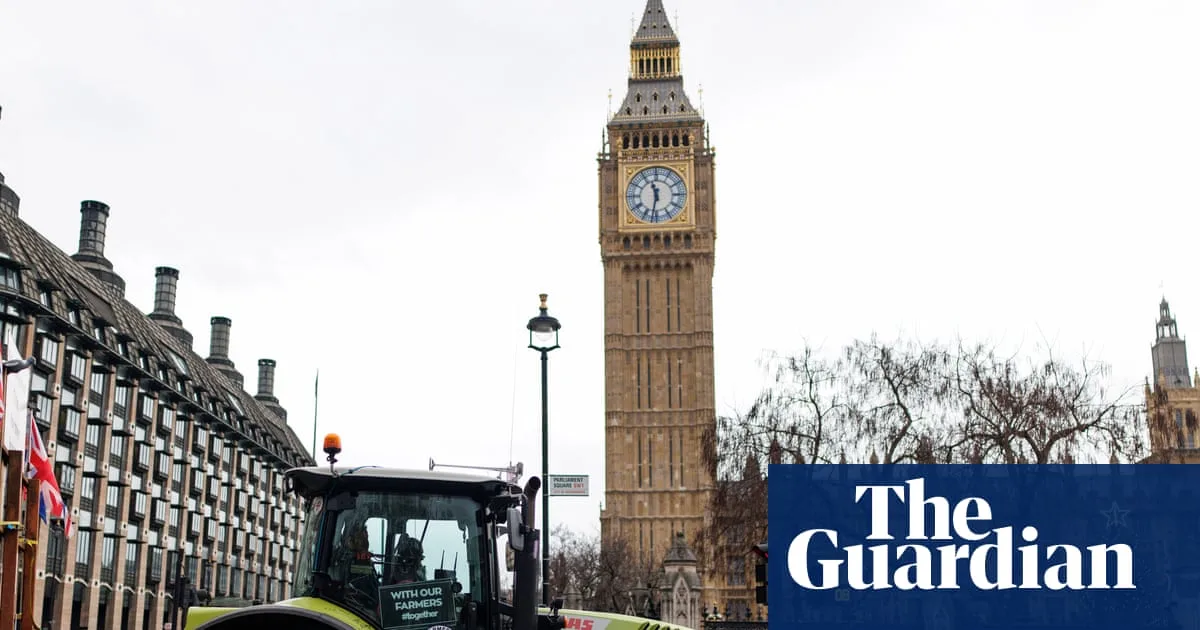
The original plan, unveiled in Rachel Reeves's first budget last year, would have taxed inherited agricultural assets above £1m at 20%, half the standard inheritance tax rate. It was expected to raise £520m annually by 2029 but was labelled a "family farm tax" by critics, sparking nationwide protests from farmers who argued it would prevent them from passing on their farms to their children.
The reversal follows intensive lobbying by a group of Labour MPs, including the prime minister's parliamentary private secretary, Jon Pearce. Nearly a dozen MPs were involved, with some making their case directly to Treasury and environment ministers as well as Keir Starmer. The prime minister recently conceded at a select committee hearing that he had been told of terminally ill farmers planning to kill themselves to avoid the tax.
Defra said ministers had "listened to concerns of the farming community and businesses about the reforms." A government source said 85% of farms would now pay no inheritance tax, up from 75%, and the number of estates affected next year would fall from 375 to 185. Married couples with estates of up to £5m will pay no tax, as they can combine two £2.5m allowances. The change will cost the exchequer £130m, meaning the revised policy is still expected to raise nearly £300m a year.
Environment Secretary Emma Reynolds said: "We have listened closely to farmers across the country and we are making changes today to protect more ordinary family farms." National Farmers' Union president Tom Bradshaw hailed the announcement as a "huge relief to many" and thanked the government for listening. Conservative leader Kemi Badenoch claimed the change as a big win for her party's campaign against the tax.