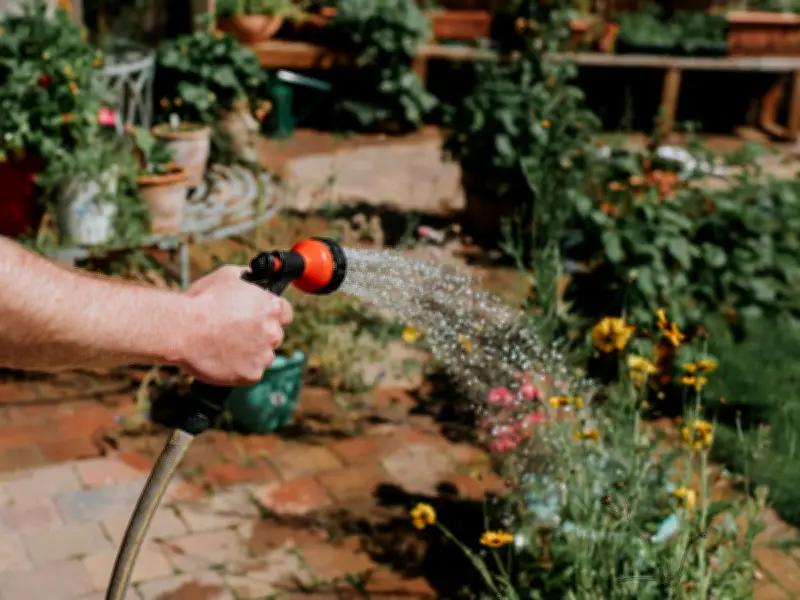
British gardens are bursting with colour throughout July, but now is certainly not the time to put your feet up. There are still a host of tasks to tackle during the summer months, according to one expert.
James Ewens at Green Feathers said: "We spend the year waiting for our gardens to burst into life, and well, July is the month for a garden full of colour and wildlife activity. Warmer weather can also put a garden, and the wildlife in it, under pressure."
"The focus needs to be not only on jobs that make your garden look aesthetic, but also on taking care of our wildlife friends. From responsible watering and supporting birds and pollinators to tackling pests early will keep your garden healthy and productive throughout the rest of summer."
With that in mind, these are the essential gardening jobs to tick off in July.
Deadheading for Continuous Blooms
Deadheading is a vital element of summer gardening, keeping blooms looking full, vibrant and healthy.
The expert advises that gardeners can prompt plants to carry on producing fresh flowers while redirecting their energy towards seed production.
James said: "In practice, this is removing faded flowers from bedding plants, roses, cosmos, and dahlias; summer-flowering perennials all benefit from a few minutes each week of deadheading, a little goes a long way."
"Sweet peas should also be picked regularly, while containers and hanging baskets benefit from weekly feeding to keep displays healthy and vibrant. Not only does deadheading keep your garden blooms looking fresh and last well into late summer, but it keeps borders, containers and hanging baskets looking tidier."
Feeding Birds in Summer
Summer is actually one of the most crucial times to feed birds, and doing so responsibly is vital.
James said: "While food sources are less scarce for birds in summer, supplementary feeding is always necessary, especially in July when birds are active for longer daylight hours and still feeding their young."
"It's one of the busiest and most demanding stages of their lifecycle, so responsible feeding is essential. Just avoid foods that spoil quickly in heat, regularly clean your bird feeders, and use hanging feeders rather than flat ones."
"Nutrient-rich and easily digestible foods like sunflower hearts, mealworms and quality seed mixes are ideal during warmer months. Avoid bread and kitchen scraps - keep it safe and simple."
Keeping on top of hygiene is equally important, so ensure feeders are thoroughly cleaned once a week, and bird baths are kept topped up with fresh water.
Watering Plants the Right Way
Responsible watering ranks amongst the most essential gardening tasks, according to the gardening expert.
He explained: "Focus on time of day first and foremost; midday sun is not a good time to water. Early morning or evening when temperatures are mild are best, and if I had to choose, morning watering wins because it reduces evaporation, ensuring plants absorb moisture properly."
During the summer months, deep but infrequent watering is the way to go. Rather than little and often, aim to water thoroughly a few times each week.
Hanging baskets and recently planted specimens may need extra attention, so always check by pushing your finger into the soil to gauge dryness.
Supporting Pollinators
James went on to say: "July is the peak season for our buzzy friends. Bees, butterflies and other pollinators need reliable nectar sources, and the plants you offer are crucial to help them thrive."
"Long-flowering favourites such as lavender, helenium and cosmos help keep pollinators fed throughout July. Lavender is a firm favourite of mine as not only does it smell and look gorgeous, it's beneficial for our lovely bees, too."
Natural Pest Control
While pests tend to peak in July, it's essential to resist the temptation to reach for chemical solutions.
Warm, humid conditions bring aphids, slugs, wasps and ants flooding into gardens, where they can wreak havoc on plants.
James advised attracting natural predators such as ladybirds, frogs and birds by creating an insect- and wildlife-friendly environment to help keep pest numbers under control.